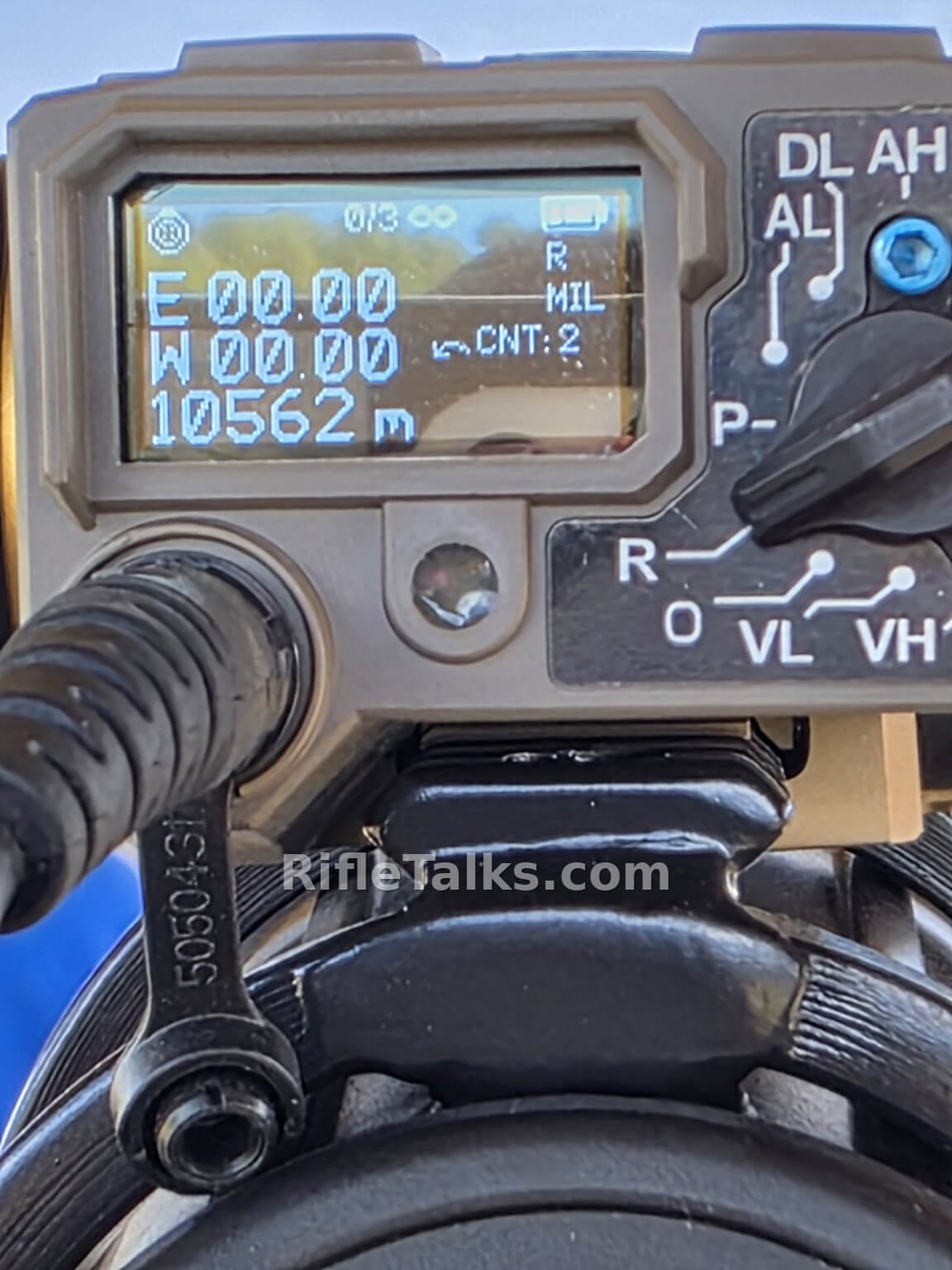
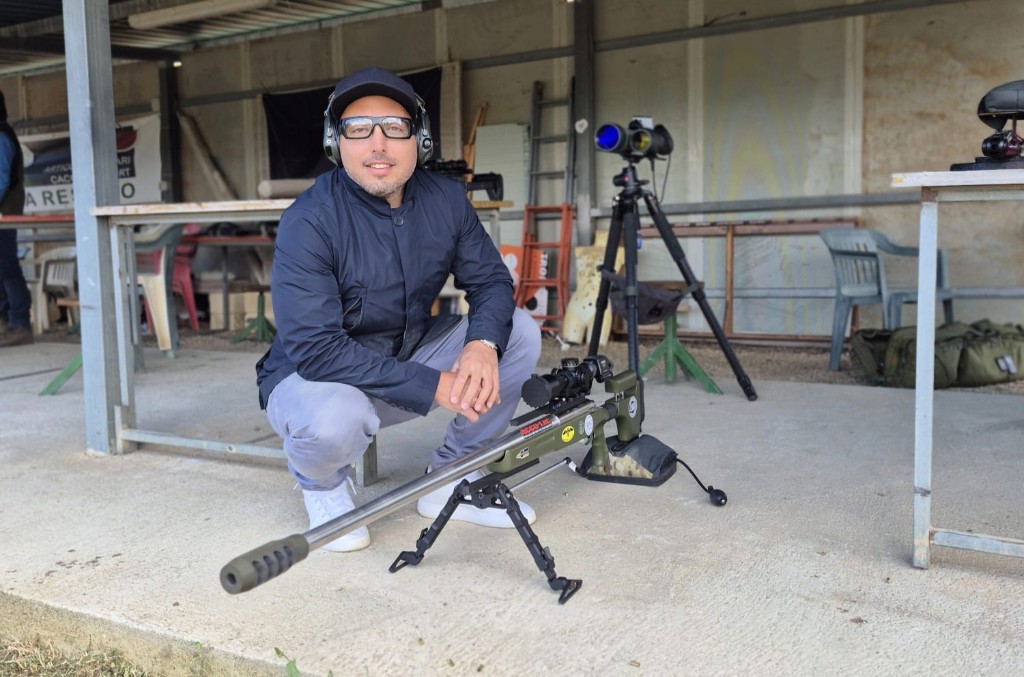
I met Mats Oskarsson at Raton, New Mexico during his first season competing in extreme long range (ELR). The rifle he brought to Raton was his McMillan Tac-50 in .416 Barrett. His introduction to Heavy Class came earlier, with a factory Barrett MRAD ELR chambered in the same cartridge.
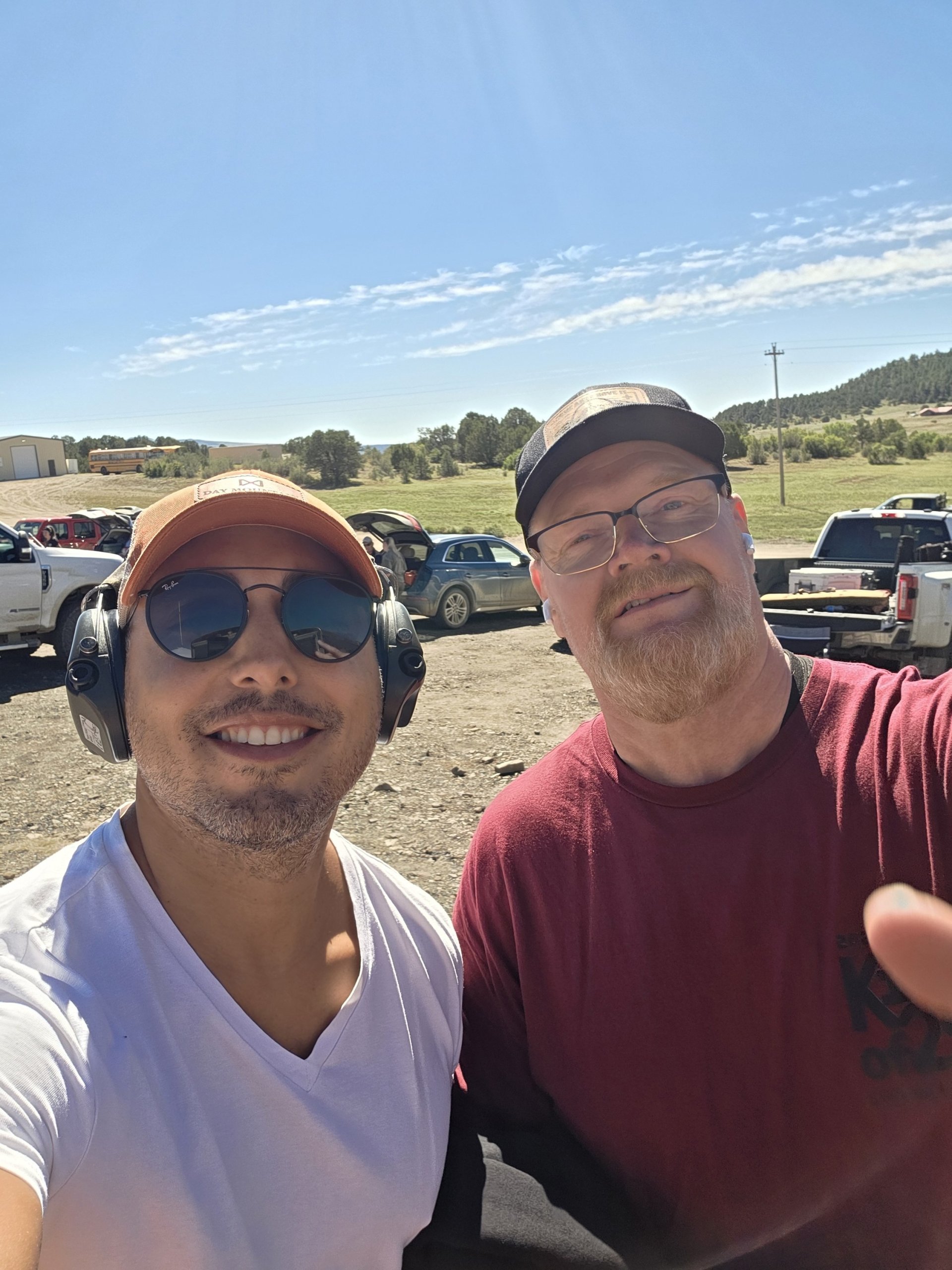
In this Q&A, Mats talks about moving from Sweden to Florida, what drew him to the MRAD, and what his first season on the road taught him.
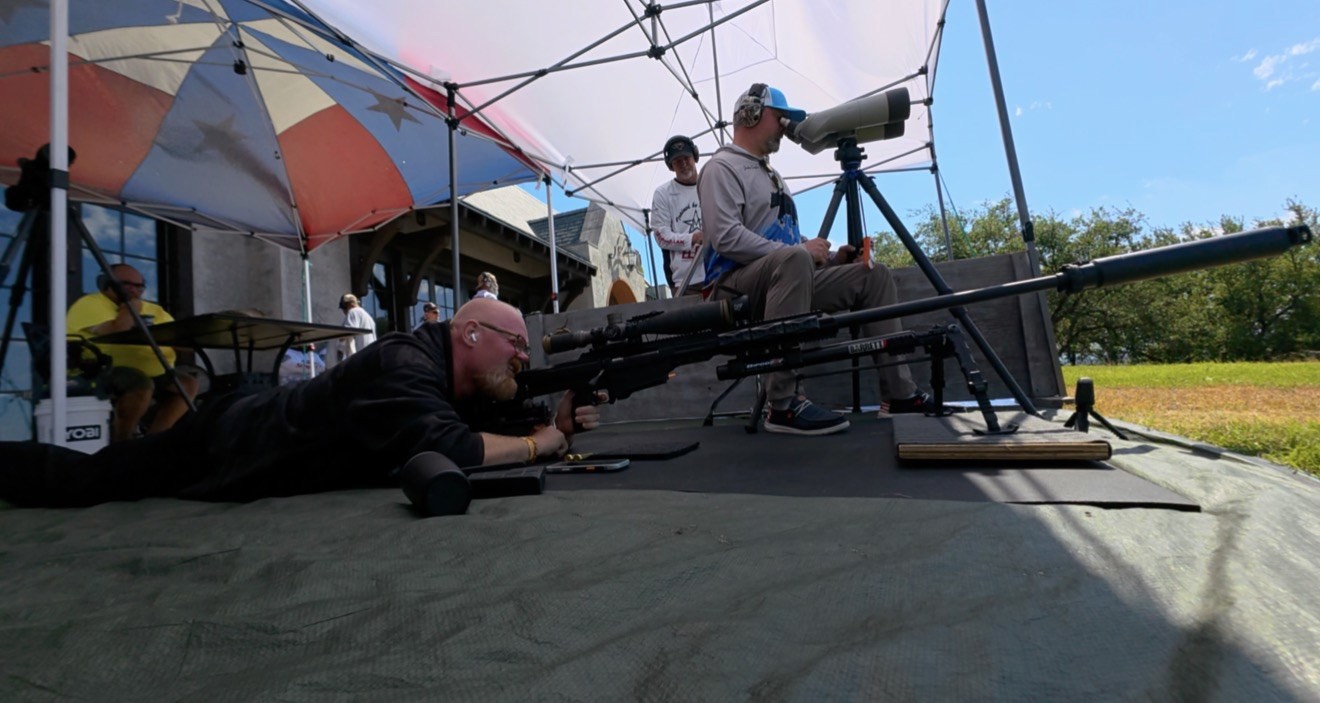 Competitors and spotting equipment on a covered firing line. Courtesy of Mats Oskarsson.
Getting to know Mats Oskarsson
1. Mats, you’re originally from Sweden, but you’re now living in the United States. What brought you across the Atlantic, and how long have you been living in America? Whereabouts are you based?
Mats: I came over in 1994 to work with my brother, and I’ve been here ever since. I’m based in Bradenton, Florida.
2. How did your interest in shooting begin? Was it something you were already involved in back in Sweden, or did it develop after moving to rifle country?
Mats: Back in Sweden, the only shooting I did was as an infantry soldier in the Swedish military. Precision shooting really started for me here in the States.
3. When did you first discover Extreme Long Range shooting, and what attracted you to the discipline?
Mats: I discovered ELR in 2024 on YouTube, watching shooters like Ryan Cheney ELR, Texas Plinking, Mark and Sam After Work, Impact Shooting, and Eric Cortina. Seeing hits at those distances hooked me, and I wanted to see if I could do it myself.
I reached out to Ryan Cheney, and he talked me through a lot of things. I also found a bunch of guys on social media whom I reached out to, and they’ve helped me along this journey. In no particular order, shooters like Jordan Congdon, Dwayn Russel, David Atkins, James Blaine Archer, Justin Wolf, Paul Phillips, Corey James, Mark Fox, Robert Brantley, Clifton Williams, Shane Smith, Patric Birck, Jay Mahone, and many more.
4. How long have you been competing in ELR, and what has your experience been like so far?
Mats: 2026 is my first competition season. Once you’re around like-minded people who are just as hooked, you feel at home. Most shooters are happy to share what they know and help you along. Living in Florida is a challenge, though, because we have very few ELR ranges. I joined Deep South, but I could only get on the range two or three times during a year of membership. So, most of my training and load development happens at Manatee Gun and Archery Club. It tops out at 1,000 yards, so it isn’t ELR, but it’s good enough to gather solid data. I don’t mind travelling all over the country for matches, either. I love the United States. It’s a beautiful country, and I meet kind, helpful people everywhere I go.
(Editor’s note: On my recent trip to Raton in September 2026, I had the same experience that Mats speaks of. I had a whale of a time, I met some awesome shooters and rifle builders that thought me many new things about ELR. The hospitality was great and shooting without much red tape was the best thing as a European and also as an event organiser who knows too well the issues that come along with travelling with firearms having had to facilitate that for 230 shooters from 32 countries in the days when I organized the event in Sicily myself from day 1.) God bless America and the people that protect its freedoms.
Brian Cattaneo helped me organize this awesome trip.
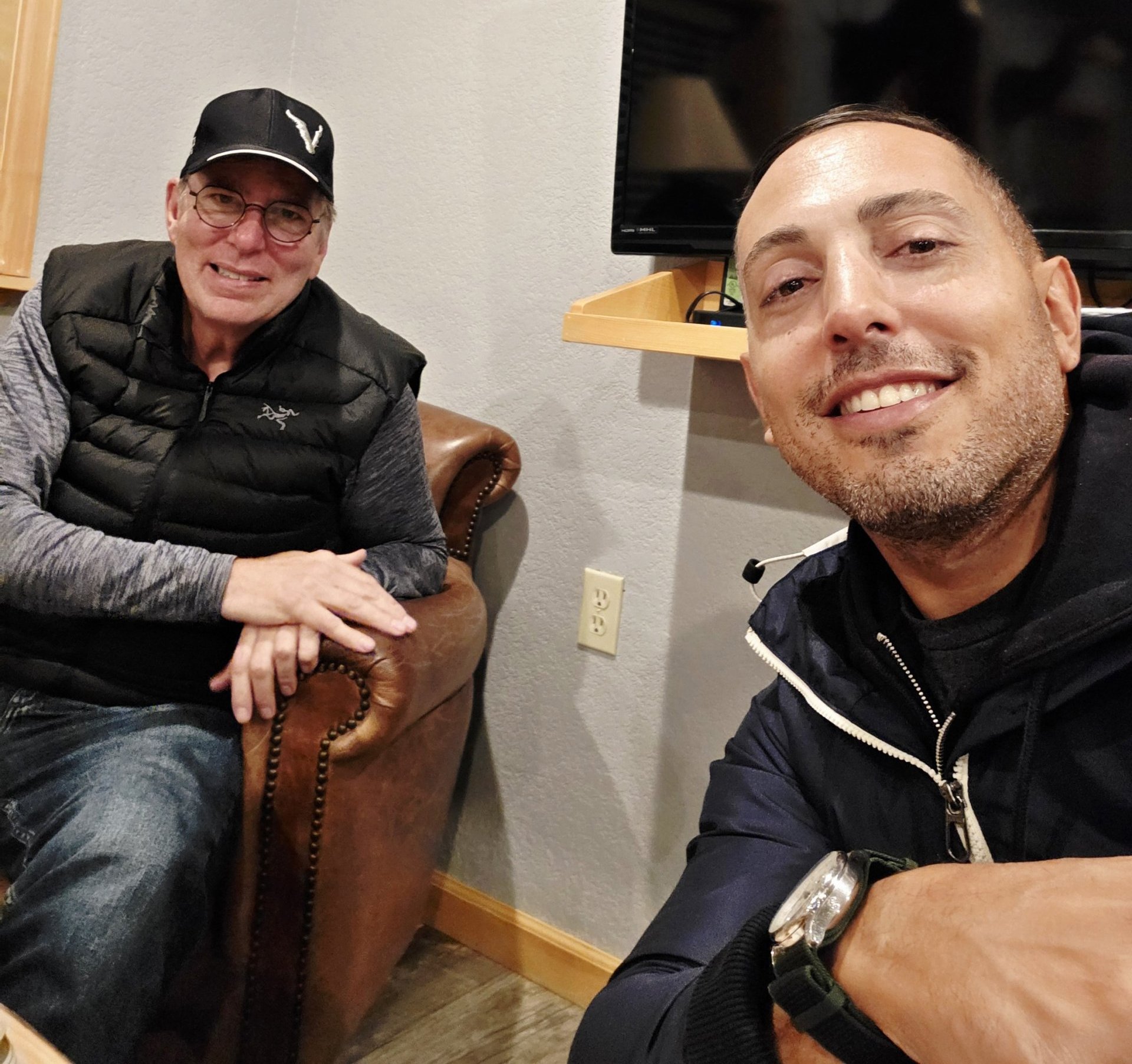
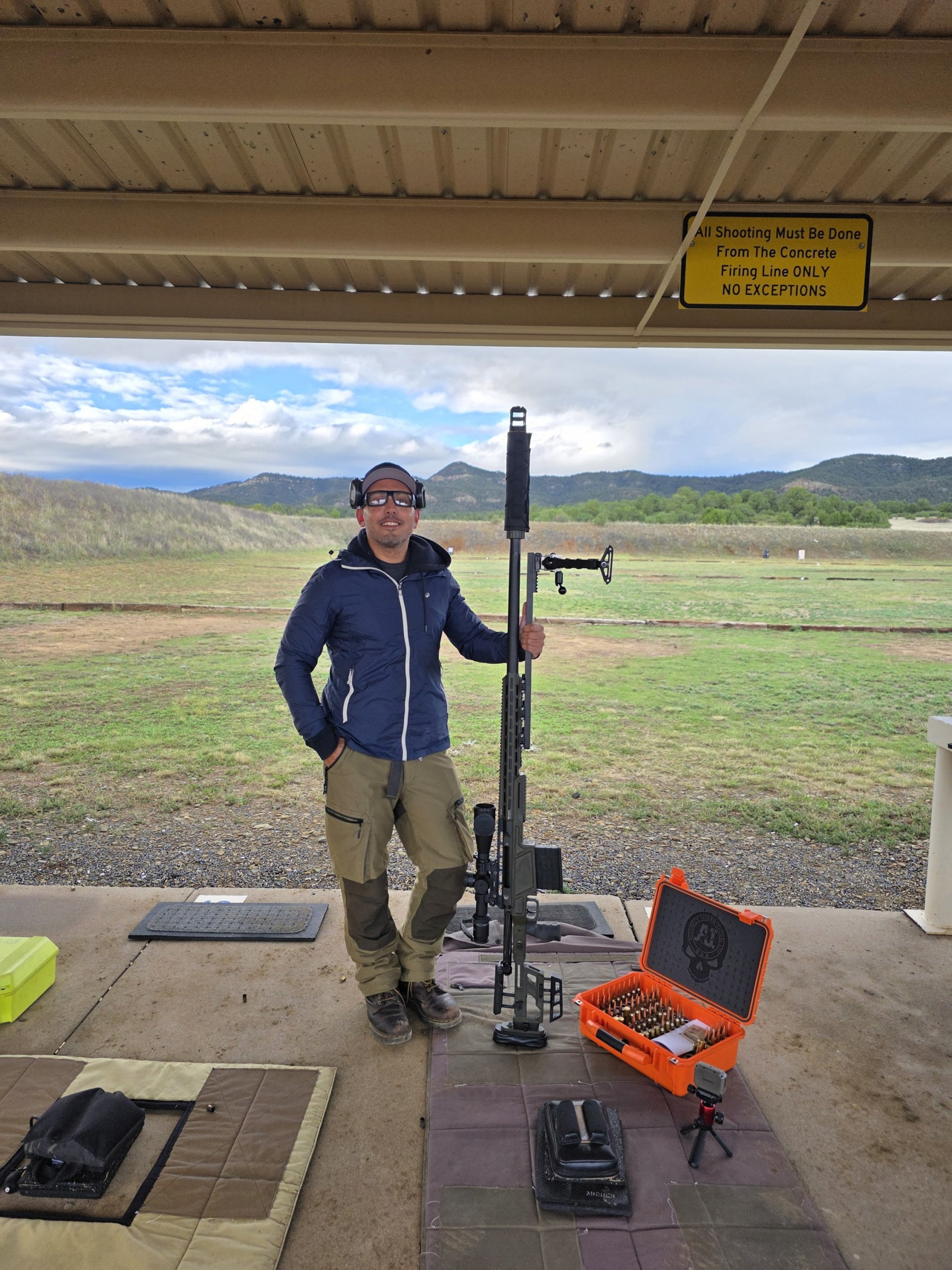
Your editor and this 375 Cheytac that I ran while in Raton, New Mexico with which I made hits out to 2439 yds.
Why the Barrett MRAD ELR?
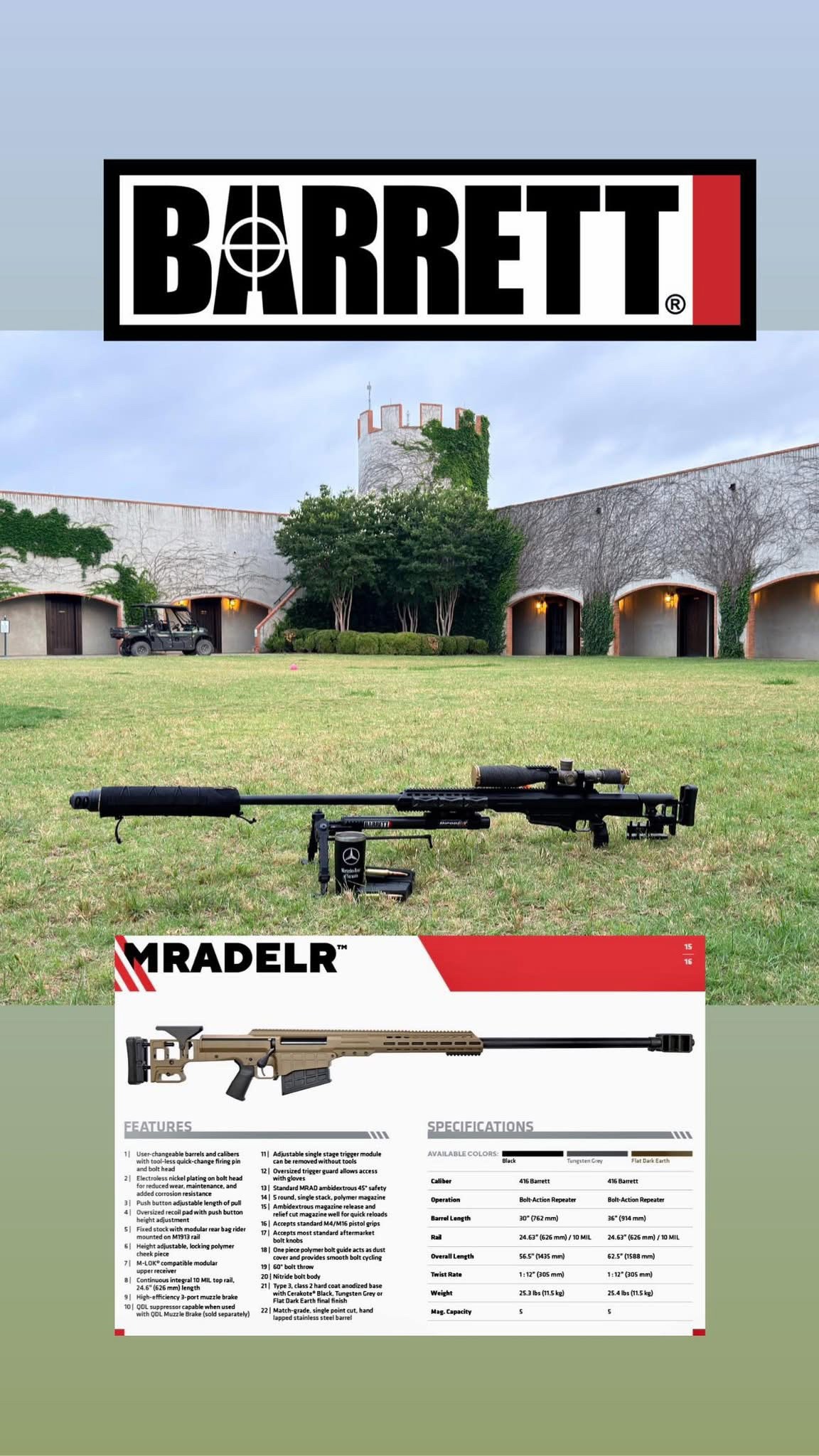
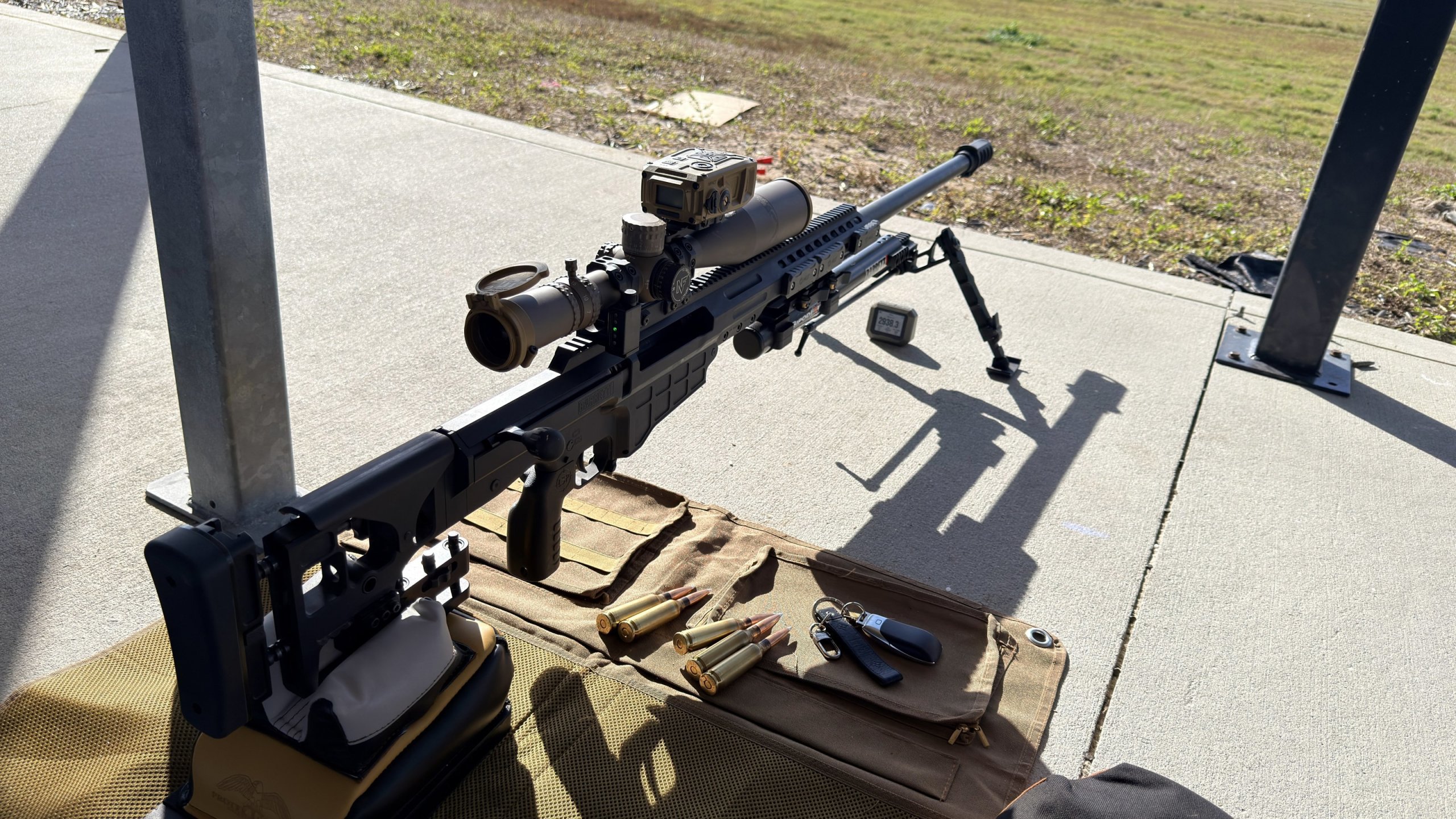
5. We met at Raton, where I noticed you were shooting a Barrett MRAD ELR chambered in .416 Barrett. Most competitors we see at ELR matches are running highly customized rifles. What made you decide to go in a different direction and choose a factory-built rifle?
Mats: First, a small correction: I didn’t shoot the MRAD ELR at Raton. That was my McMillan Tac-50, also in .416 Barrett. My first quality rifle was a Barrett MRAD, and I had custom barrels made for it in .338 Lapua Magnum, .338 Norma Magnum, and .300 PRC. That was my light ELR rifle, and I could buy factory ammo for all those calibers. My first match was Robert Brantley’s at Arena Tactical Training Facility in Blakely, Georgia, and that’s where I saw the big guns for the first time. I wasn’t reloading and had no plans to, so I wanted a heavy rifle I could feed with factory ammunition. Will Mead at Shark Coast Tactical, my local gun store, got me the MRAD ELR from Barrett. It was a natural choice because I already knew the MRAD system.
6. Was the Barrett MRAD ELR your first heavy-class ELR rifle, or have you previously owned and competed with other heavy rifles?
Mats: Yes, the MRAD ELR was my first heavy-class rifle.
7. Why specifically the .416 Barrett cartridge? Did you consider other calibers before making your decision?
Mats: A lot of shooters were running 550-grain projectiles in the .416 Barrett, and I could get ammunition easily as a non-reloader. I didn’t see another ELR option with factory components on a platform that would work out of the box.
8. What attracted you to the MRAD platform itself? Was it the engineering, modularity, reputation, availability, or something else? What’s the lead time on these today?
Mats: For a new shooter, it was a perfect choice. It’s the same MRAD I already knew, just bigger. It comes with everything you need: add ammo, glass, and a bipod, and you’re good to go. I added a QDL suppressor and an Accuracy Solutions bipod extension, which moves the fulcrum point forward for less movement while aiming.
9. Having spent time behind the rifle, are you happy with your decision? Has the performance of an out-of-the-box rifle met your expectations, particularly when competing against custom-built ELR rifles?
Answer in question 10.
Rifle configuration and modifications
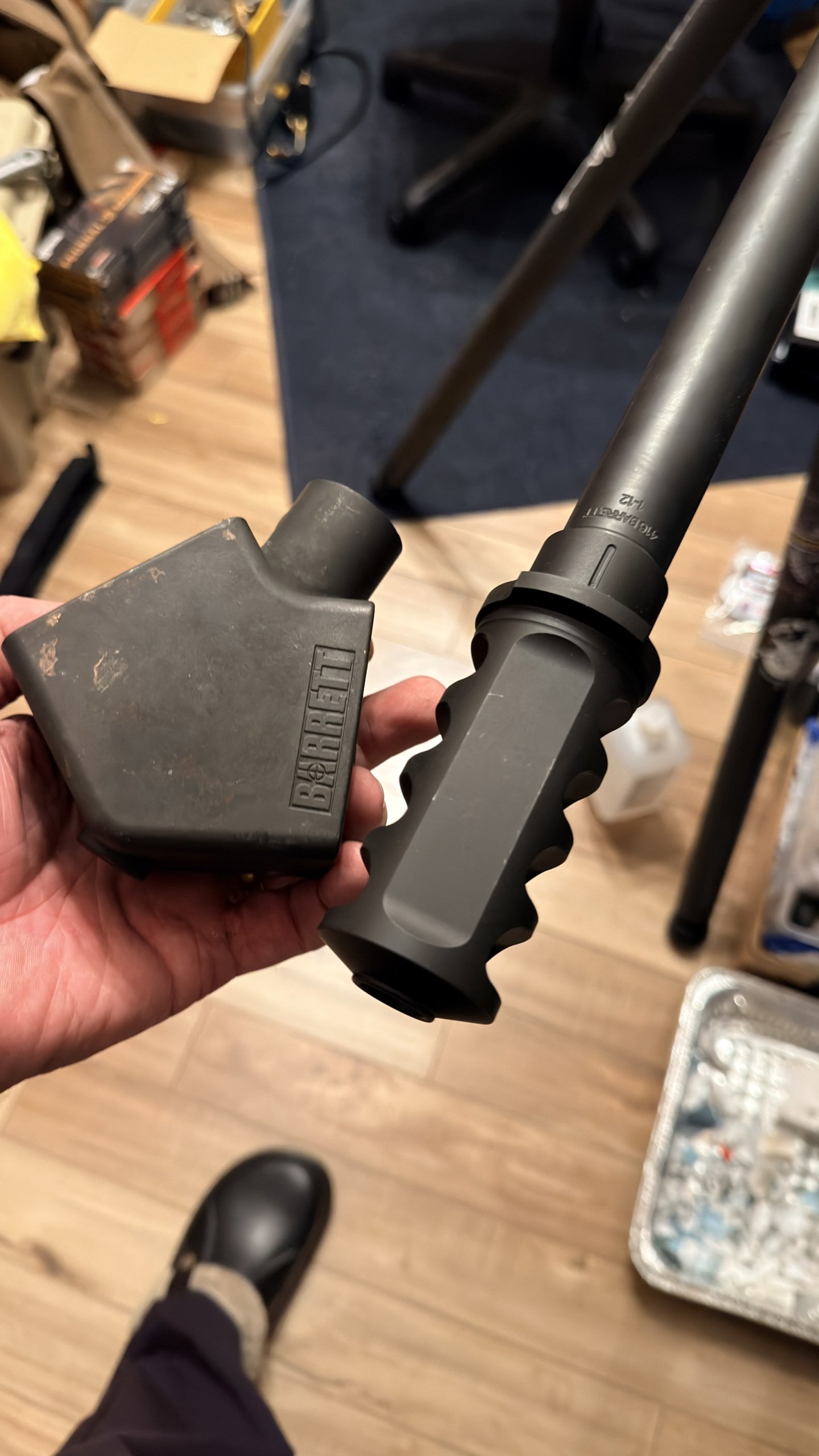
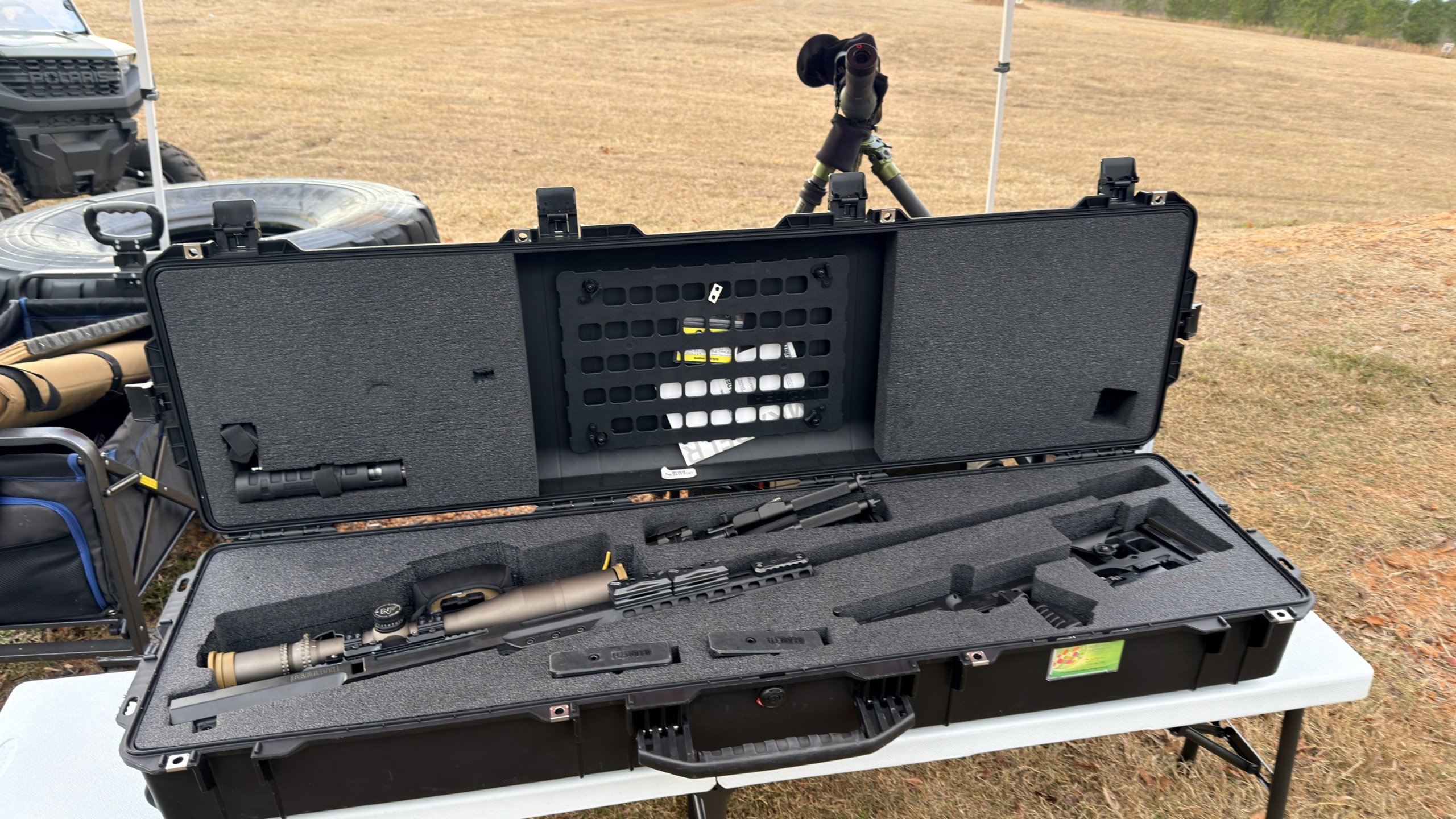
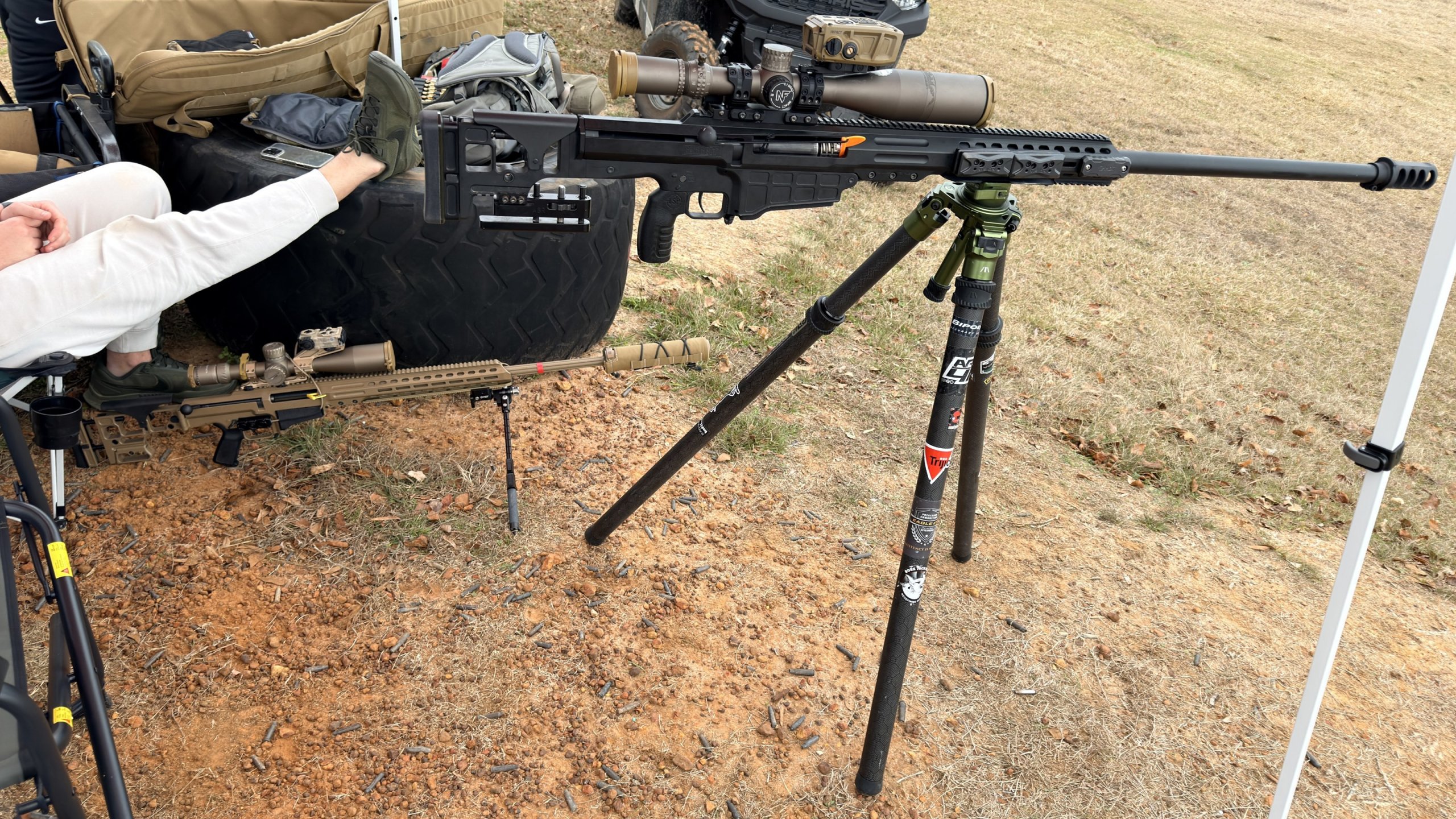
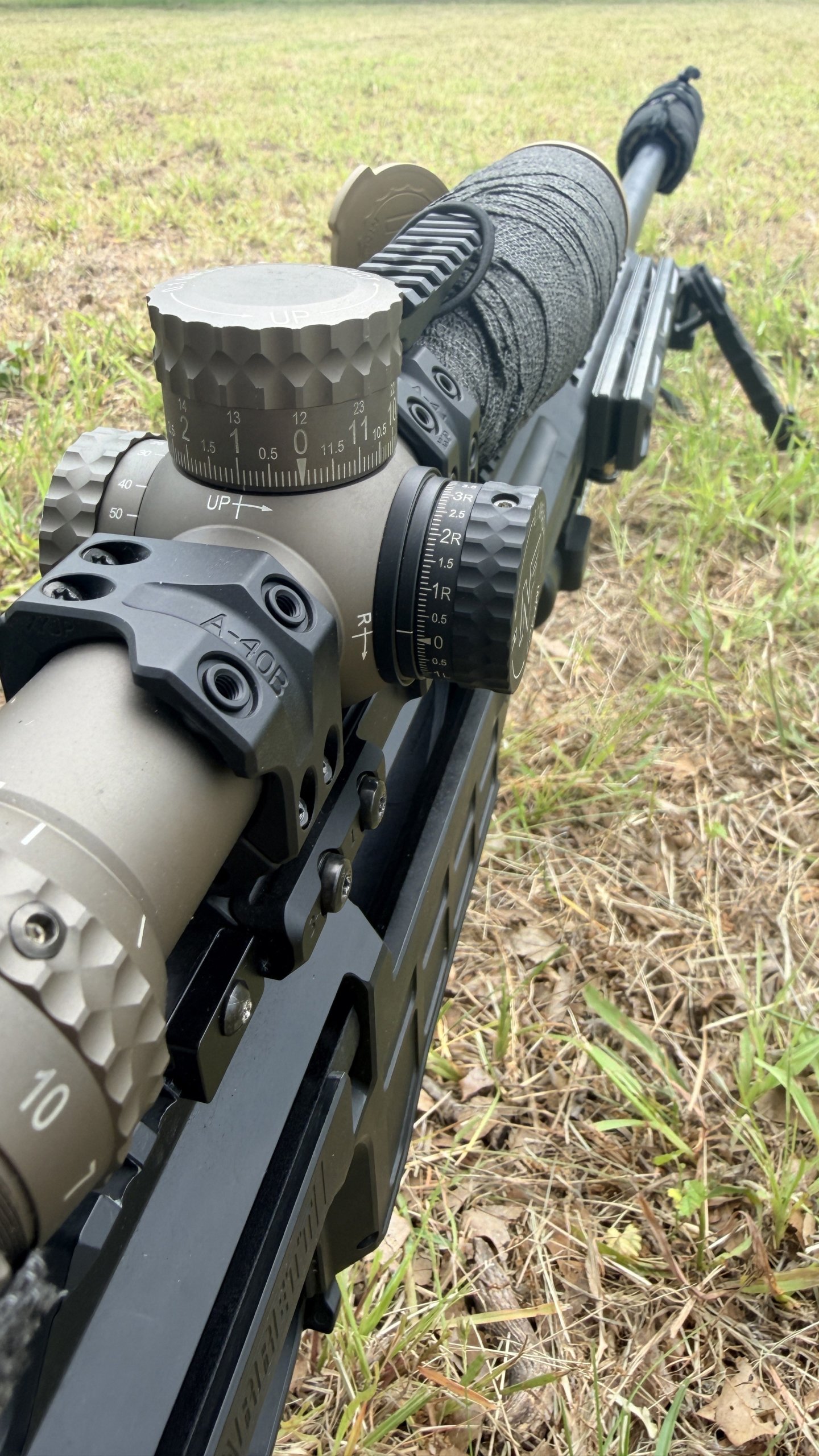
10. Is your MRAD ELR still in its original factory configuration, or have you made any modifications or upgrades since purchasing it?
Mats: It’s still a fantastic rifle, but I’m having a new barrel made. The factory barrel is built for factory and military ammo, so it has a 1:12 twist. To stabilize heavy solids like the Cutting Edge 550-grain, I need a 1:9 twist. My gunsmith, Rick Scrivens at GCP Rifle Co., is building me a 42″ Schneider 1:9 barrel with a Swedish Botnia brake. Since I started reloading in 2026, I’ve come to understand the difference between factory and custom barrels much better.
11. Have you done any trigger work, changed any components, or made other adjustments to improve the rifle’s performance?
Mats: No, I’m still on the factory setup.
12. What barrel length and twist rate does your .416 Barrett have?
Mats: Factory 36″ barrel with a 1:12 twist.
Editor’s note. On my 416 Barrett I went with a 1.9 twist on a 38″ Bartlein barrel.
13. Is the barrel chamber and throat in its original factory specification, or has it been throated specifically to accommodate a particular bullet? Which bullet are you running in yours?
Mats: Factory chamber, running the 500-grain Hornady A-Tip.
14. What optics and mounting system did you opt for and how much elevation do you have available for extreme-distance shooting? Tell us about it.
I run a NightForce ATACR 7-35×56 F1 with the Mil-C reticle in a 3 mil Spuhr mount on the rifle’s built-in 10 mil rail. That’s 13 mil of rail elevation, which gives me about 29 mil of usable dial. When I’m not running the suppressor, I can add a 30 mil NightForce prism. With the suppressor, if I need more, I have two Charlie TARAC Macro prisms that add 30 or 45 mil.
Ammunition and load development
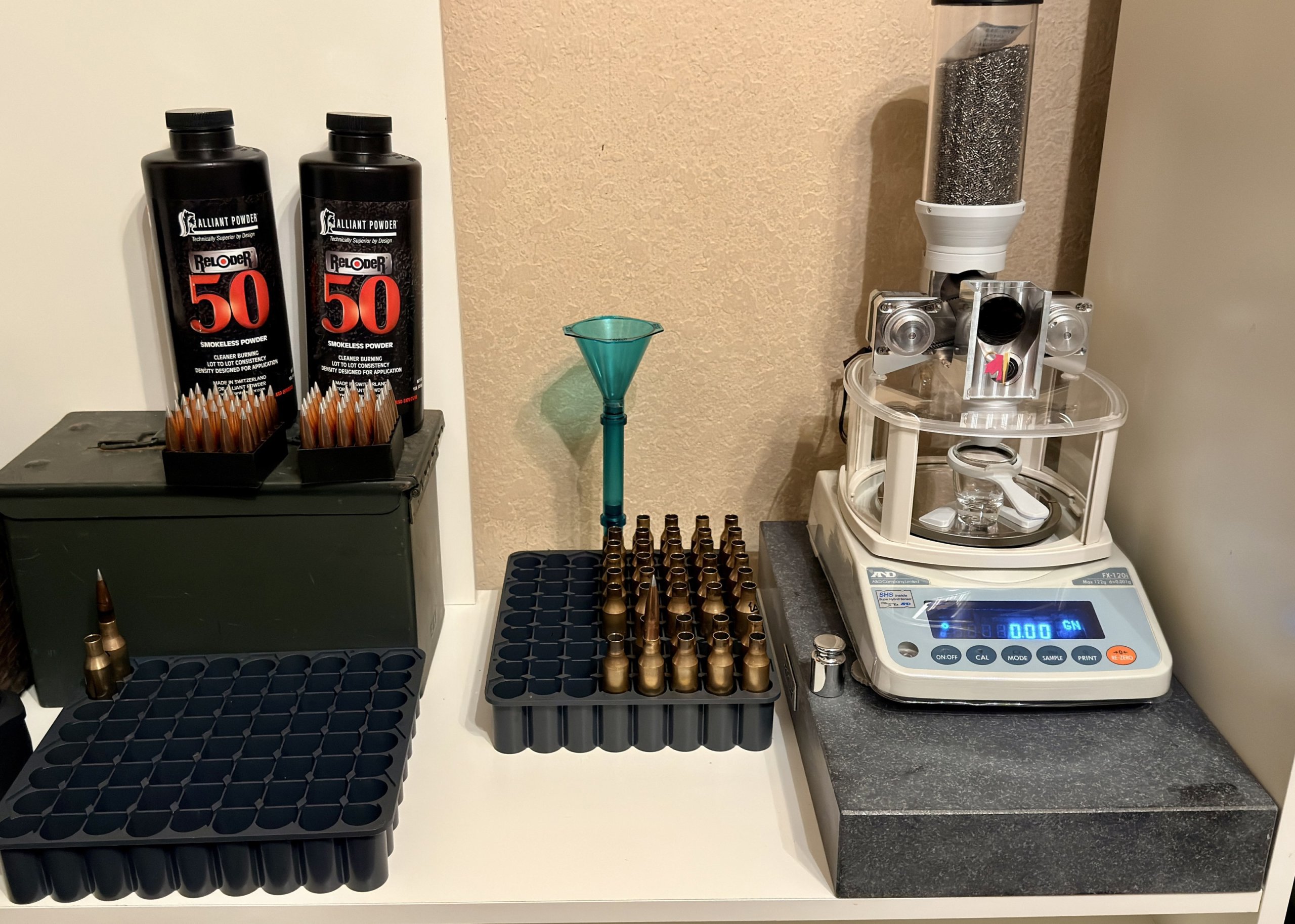
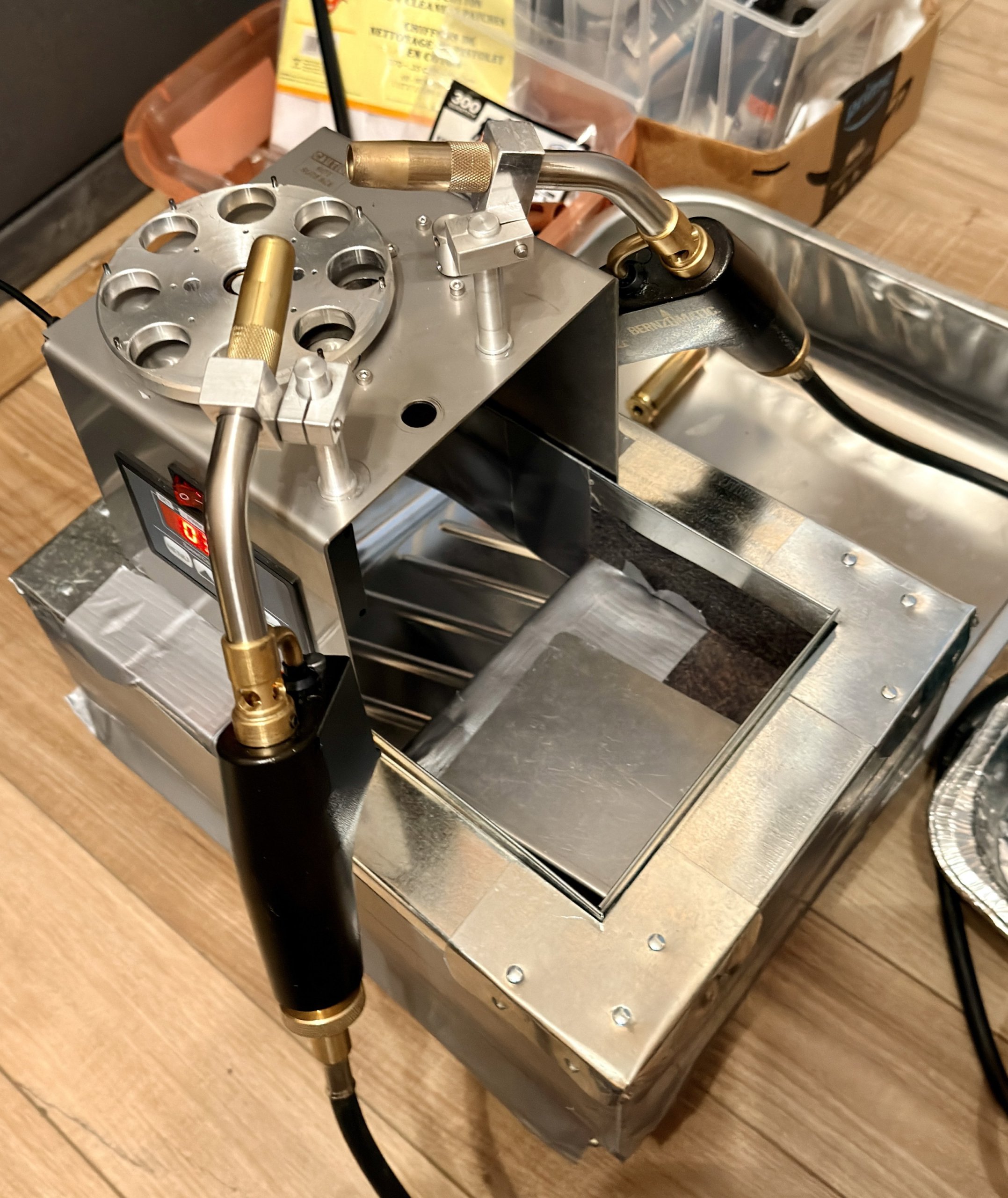
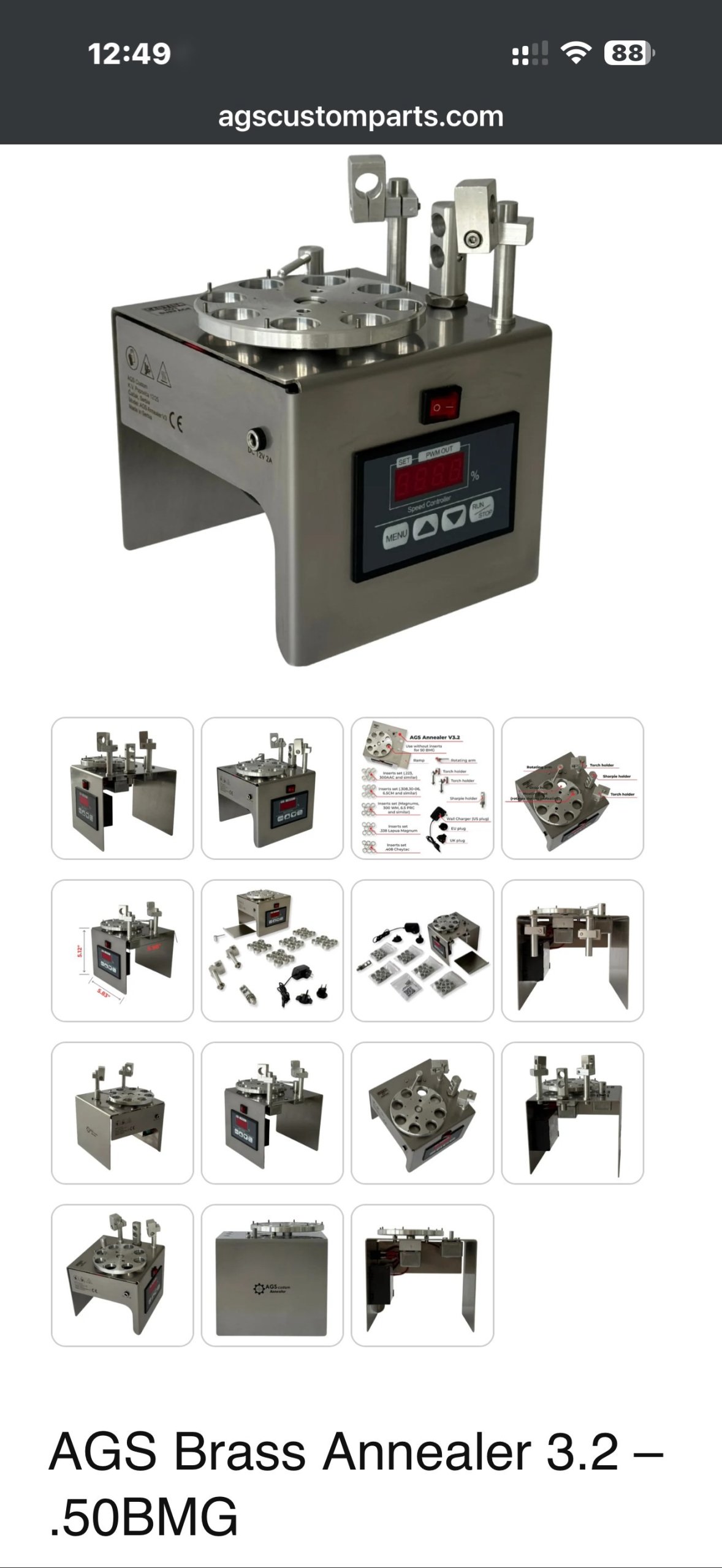
15. Let’s talk about ammunition. What bullets and powders have you experimented with in the .416 Barrett so far? Which brass did you manage to find and are you doing any brass prep to make it more consistent?
Mats: Since I started reloading, I’ve learned the expensive way to buy quality custom dies made for your reamer and caliber-specific everything. Brass is the biggest problem with the .416 Barrett if you want great brass. Dan Warner’s company makes custom brass from re-formed RWS .50 BMG brass, but it isn’t always available, and it’s very expensive. Barrett-head stamped RUAG brass is hit or miss when you can find it. I’ve been told Peterson is testing brass for Barrett, and I’m hoping it’s available soon..
16. Have you settled on a particular bullet and powder combination, or are you still experimenting with different loads? If you can share any images you have made it will help us visualise your journey.
Mats:
With the factory barrel, I run 178 grains of Reloader 50 under the 500-grain Hornady A-Tip. It’s an easy load, and the rifle is a half-MOA rifle all day, every day. In my McMillan Tac-50, I run 179 grains of Reloader 50, the Cutting Edge 550-grain LZR G2, and RWS primers at 2,940 fps.
*ALWAYS WORK UP YOUR LOAD IN YOUR RIFLE STARTING LOW- check your reloading manual.
17. At what distance do you normally conduct your load development? Do you establish your initial loads at shorter distances before validating them at ELR distances?
Mats: I do all my load development at my local range, which goes out to 1,000 yards. Past that, matches are the only place I can shoot, so that’s where I validate.
18. How consistent has the rifle been in terms of accuracy and velocity? Have you encountered any particular challenges during load development?
Mats: The rifle has been very consistent. My biggest problem was sizing dies. I bought factory dies, and the brass was never right after three or four firings. Eventually, Justin Linenbach made me a custom full-length sizing die and an arbor seating die, which I should have done from the beginning. I also anneal with an AGS annealer.
19. With a factory rifle, you’re working within the manufacturer’s original chamber and barrel specifications. Do you feel this has limited your ammunition development in any way compared with a purpose-built custom ELR rifle?
Mats: Yes, the factory 1:12 twist means I can’t stabilize the heavy solids, which is why the new 1:9 barrel is coming. Brass is the other limit. As a precaution against the shortage, Justin is building me a .416 Warthog, his own chamber. [view the podcast here about this cartridge] It uses easy-to-source .375 Cheytac brass, straightened and necked up to .416, so I can shoot the same bullets. I’m running my .416 Barrett at 2,940 fps, and the Warthog should land around 2,900 fps, a small price to pay for easier brass.
It’s going in an Accuracy Solutions Baby Orca chassis with a Terminus Titan action, a Terry Dines brake, and a 1.5″ extended rail, and hopefully it’ll be ready for the 2027 season.
ELR competitions and experiences
20. What has been your longest successful hit with the Barrett MRAD ELR so far?
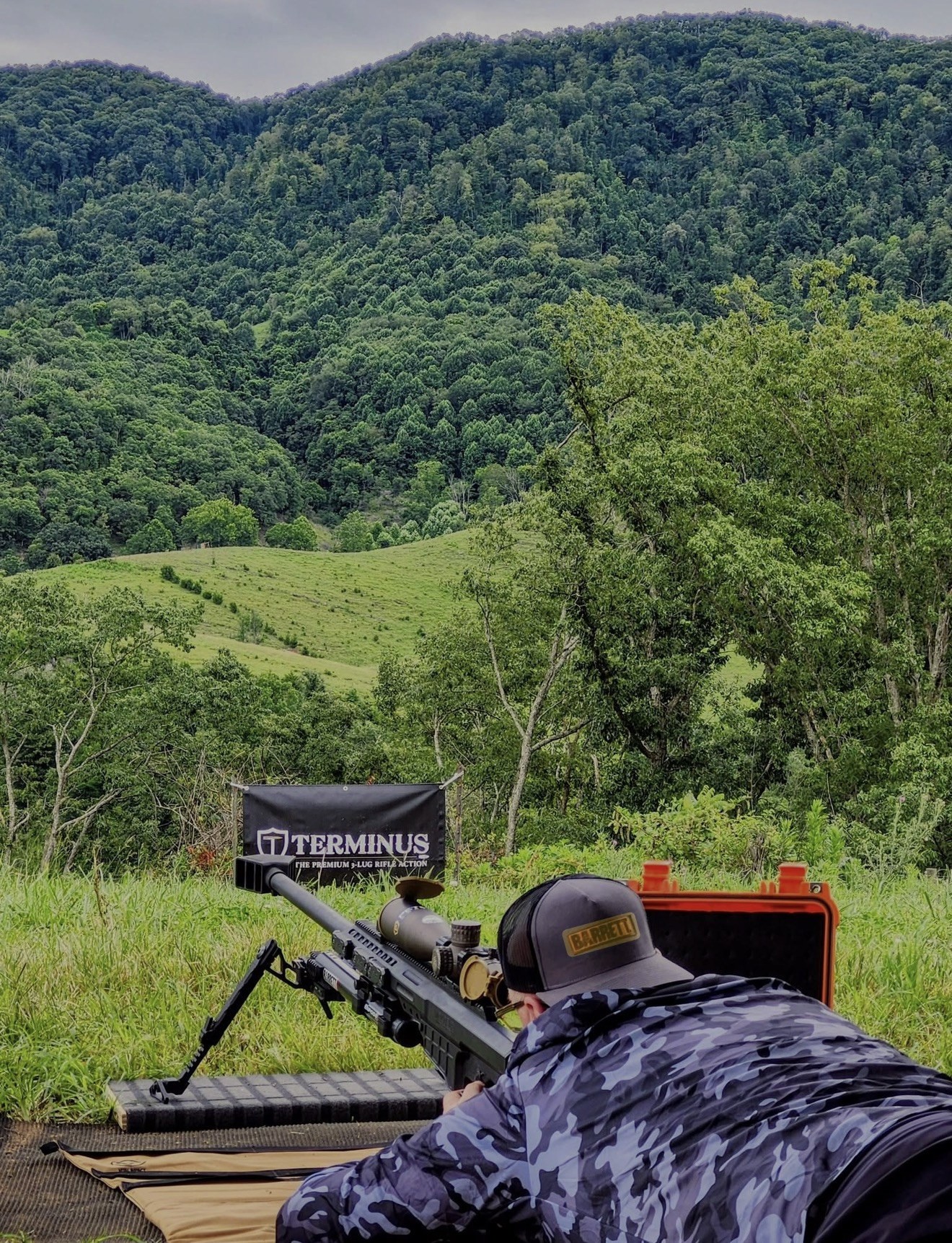
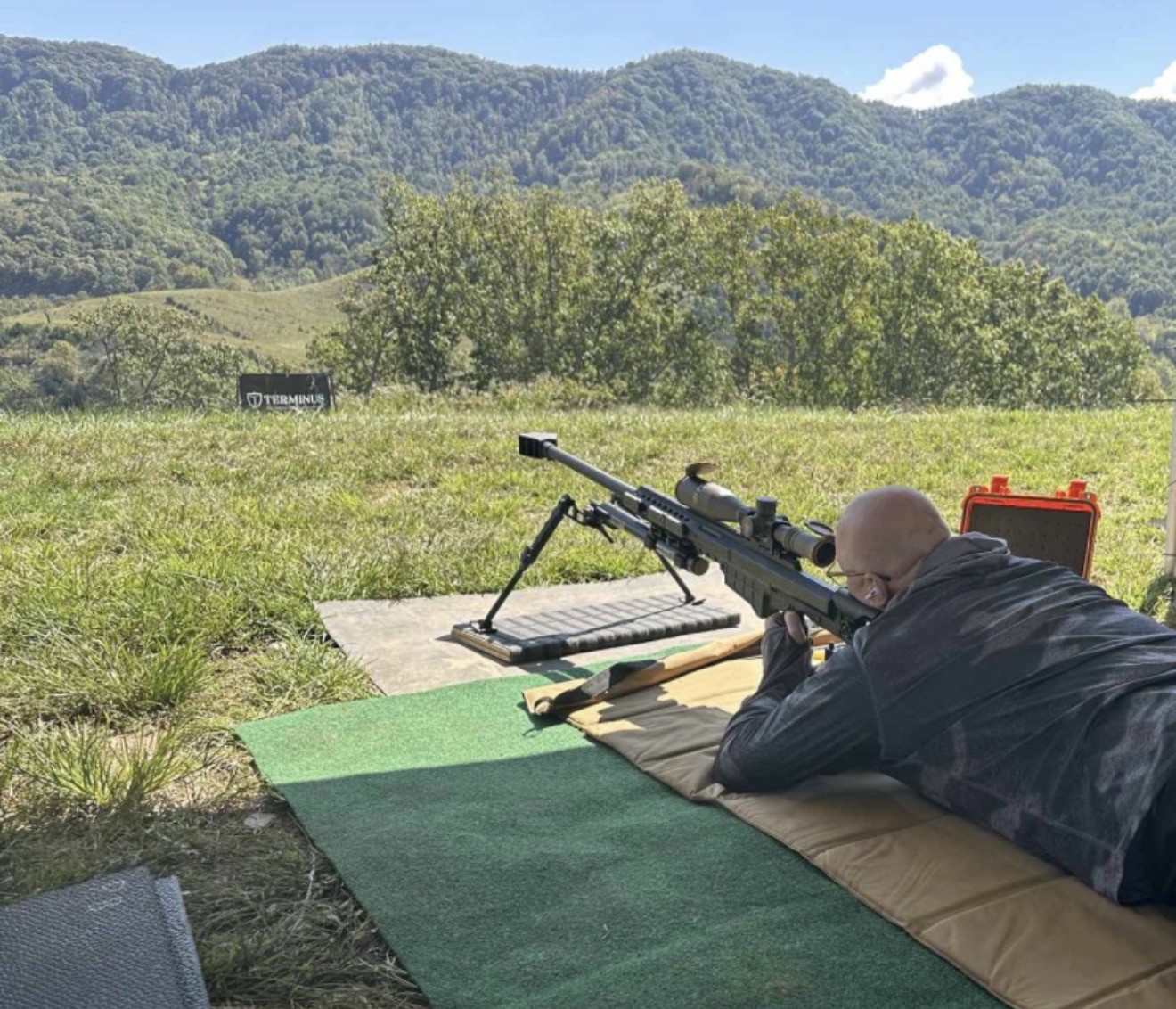
Mats: My farthest impact with the MRAD ELR was 2,420 yards at the 2026 ELRSO Conquer the Castle Heavy, which was also my last match with it.
21. How has the rifle performed in competition? Have there been any particular matches or shooting experiences where it really impressed you?
Mats: It’s good, but it’s not the best. It’s a factory rifle, and it performs like one against purpose-built guns.
22. Of all the ELR matches you’ve attended, which has been your favourite, and what made it stand out?
Mats: So far, King of 2 Mile. I’d watched it on YouTube and always wanted to shoot it, and the venue, prestige, and reputation all lived up to it. It was hard. I’ll be there every year if I can.
23. What do you find most challenging about ELR shooting? Is it the technical side of developing a consistent rifle and ammunition combination, reading environmental conditions, or something else ? How far do you typically travel to practice ELR?
Mats: For me, it’s the travel. From Florida, I’m driving 9 to 34 hours one way, or flying when there are good connections.
Looking ahead
24. Do you see yourself continuing with the MRAD ELR for the foreseeable future, or are you tempted to eventually build a fully customised ELR rifle?
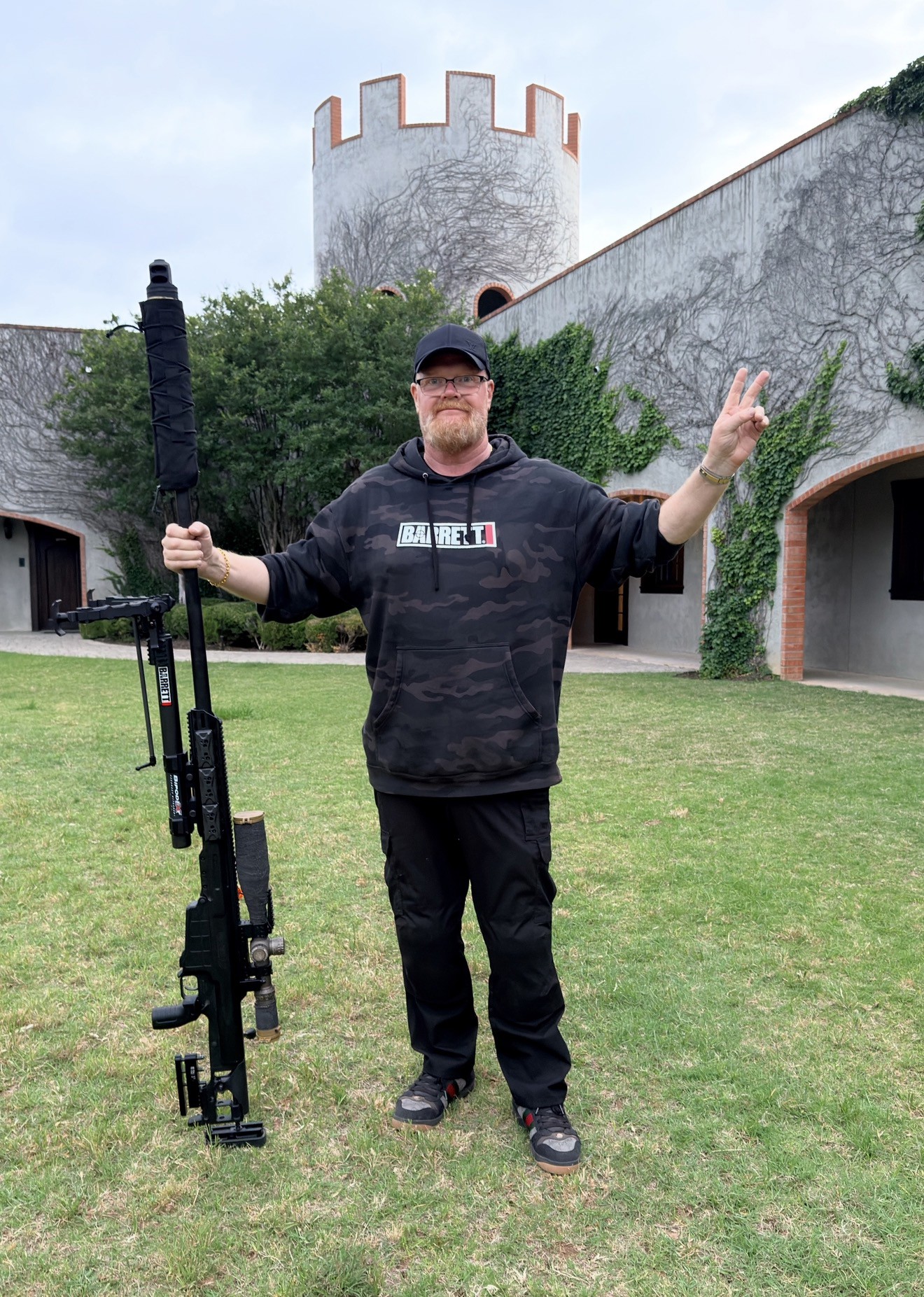
Mats: I won’t use it as my main rifle unless brass gets easier to source.
25. For someone looking to enter heavy-class ELR shooting, would you recommend starting with a factory rifle like the Barrett MRAD ELR rather than investing in a custom build?
Mats: Go to a match, see what people are running, talk to the shooters, and, if you can, get behind their rifles to see what fits you. If I had to start over, I’d go custom from the beginning, with custom dies, instead of spending money on cheaper options that cost more in the long run. Find a good gunsmith and pick a cartridge with easy-to-source brass. My recommendation would be to contact Justin Linenbach and have his company, Kinport Peak Rifles, build you something, or find a company and gun builder like him that also competes in ELR.