Explore the interview
- Kinport Peak Rifles and Justin’s ELR journey
- Why larger ELR cartridges matter
- The .416 Warthog
- Chambers, reamers and component compatibility
- Brass stretching and case-head separation
- Fire-forming wildcat brass
- Barrel break-in
- Barrel cleaning and copper fouling
- Extreme spread and primer consistency
- Brass sorting and internal volume
- Neck tension and bullet seating
- The .460 Warthog and barrel life
- Scopes, rails and heavy-rifle choices
- Load development
- Testing at 2,500 yards
- Ask your question?
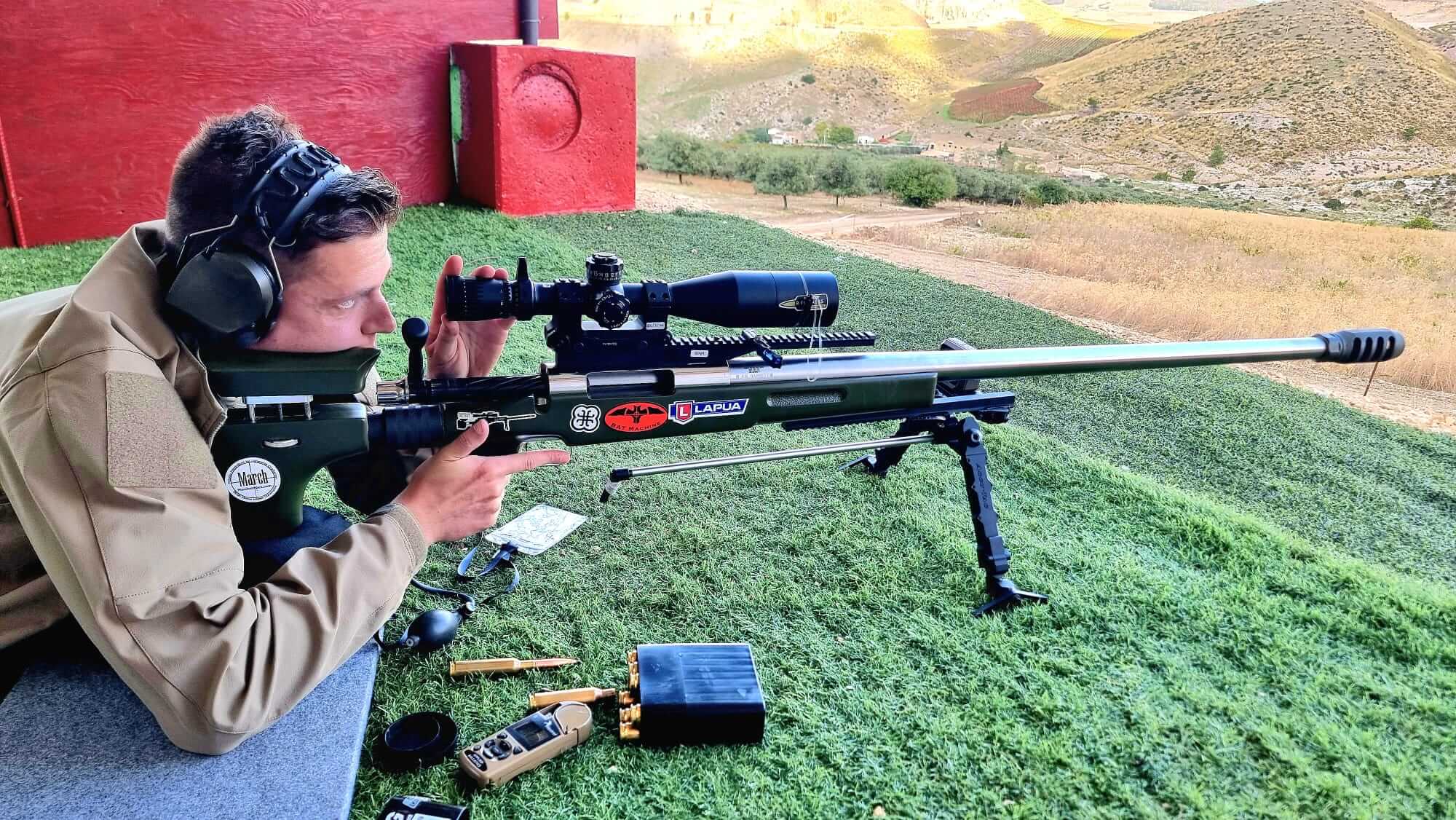
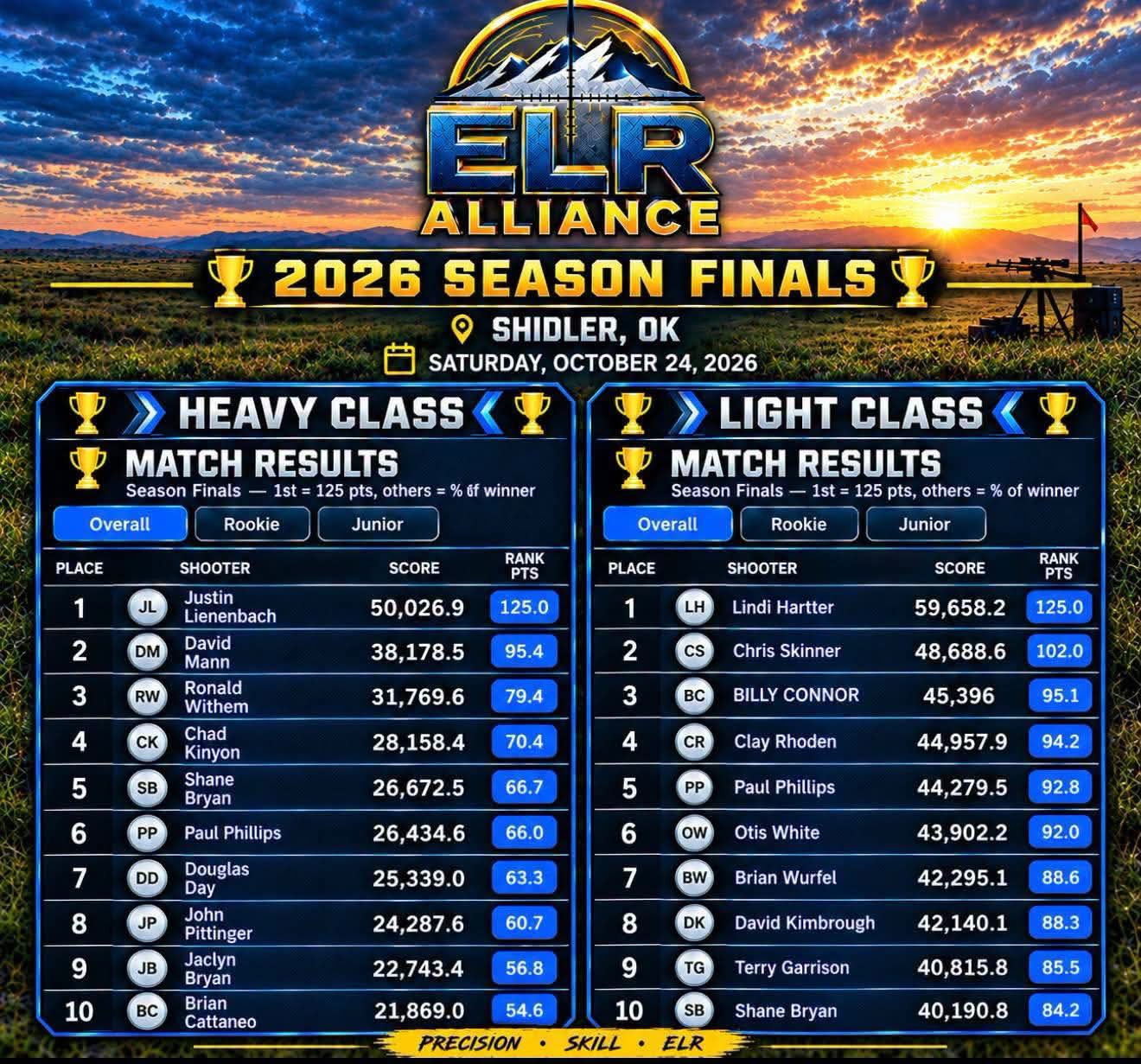
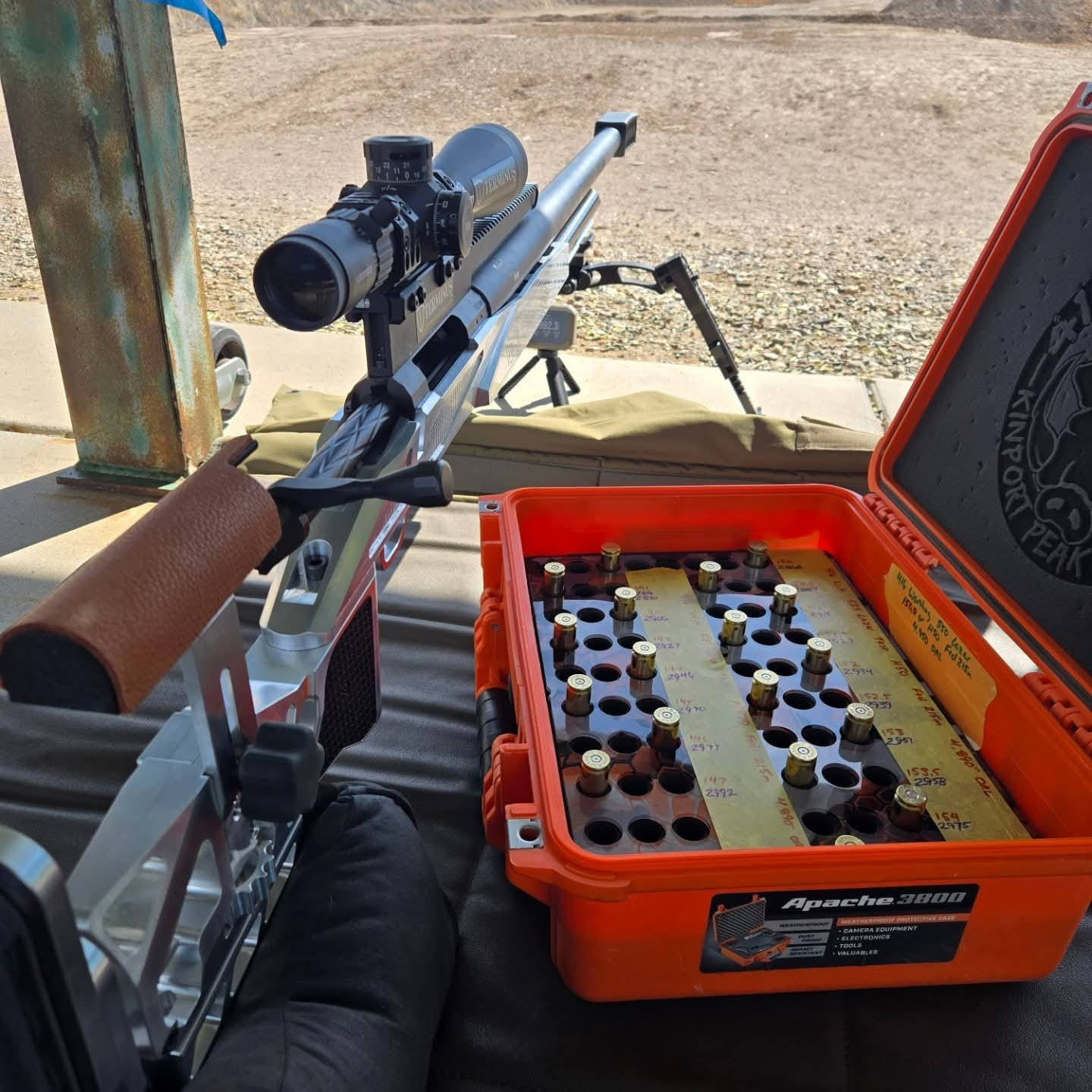
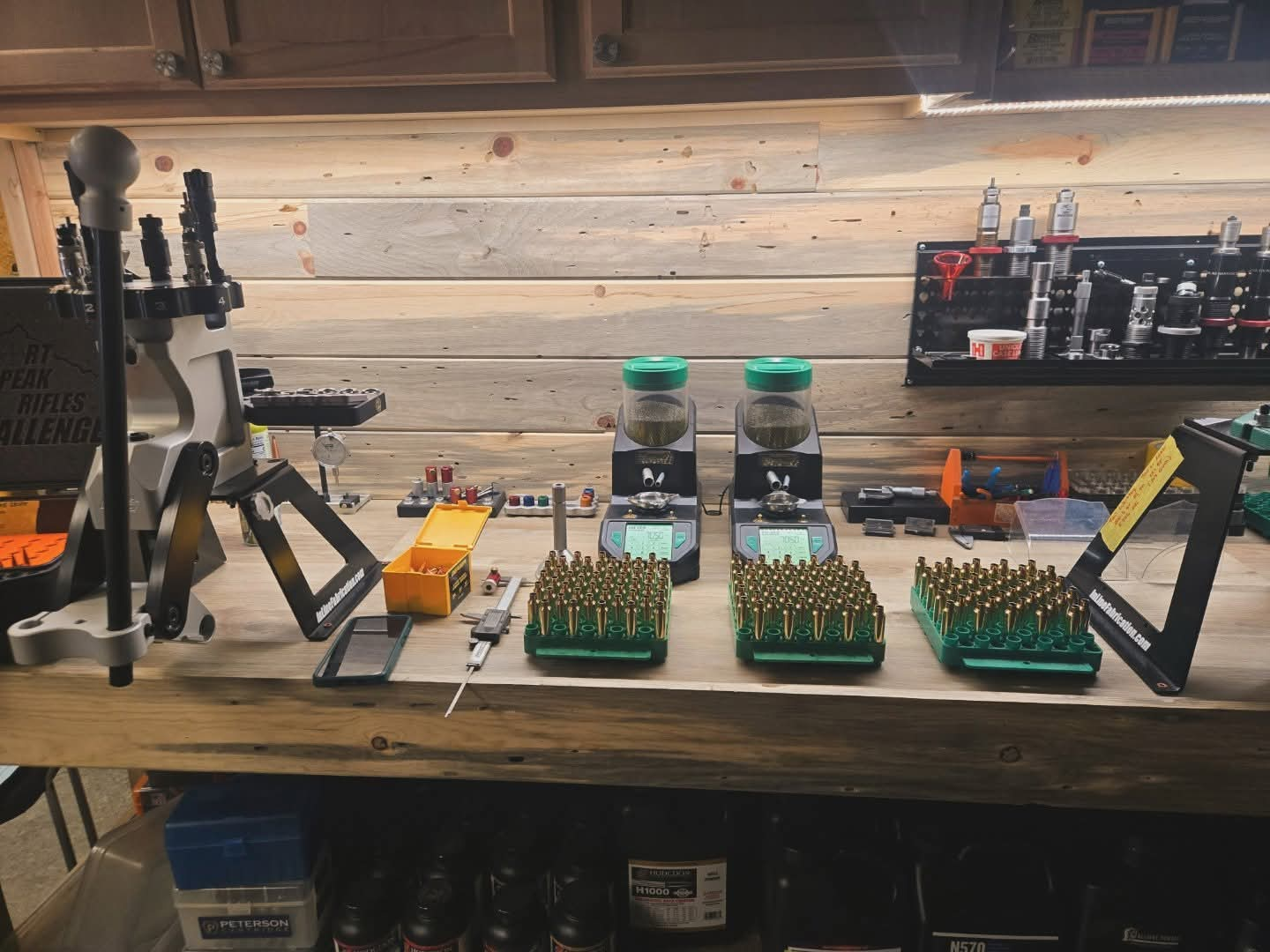
Justin Linenbach, owner of Kinport Peak Rifles, won the ELR Alliance season finale, Thunder in the Osage, and captured the 2026 National ELR Heavy Gun Championship. He achieved these results shooting his own wildcat .460 Warthog cartridge. In this RifleTalks video interview, we explore the Warthog family of wildcat cartridges he developed, and the rifle-building, brass preparation and load-development work behind his extreme-long-range shooting.
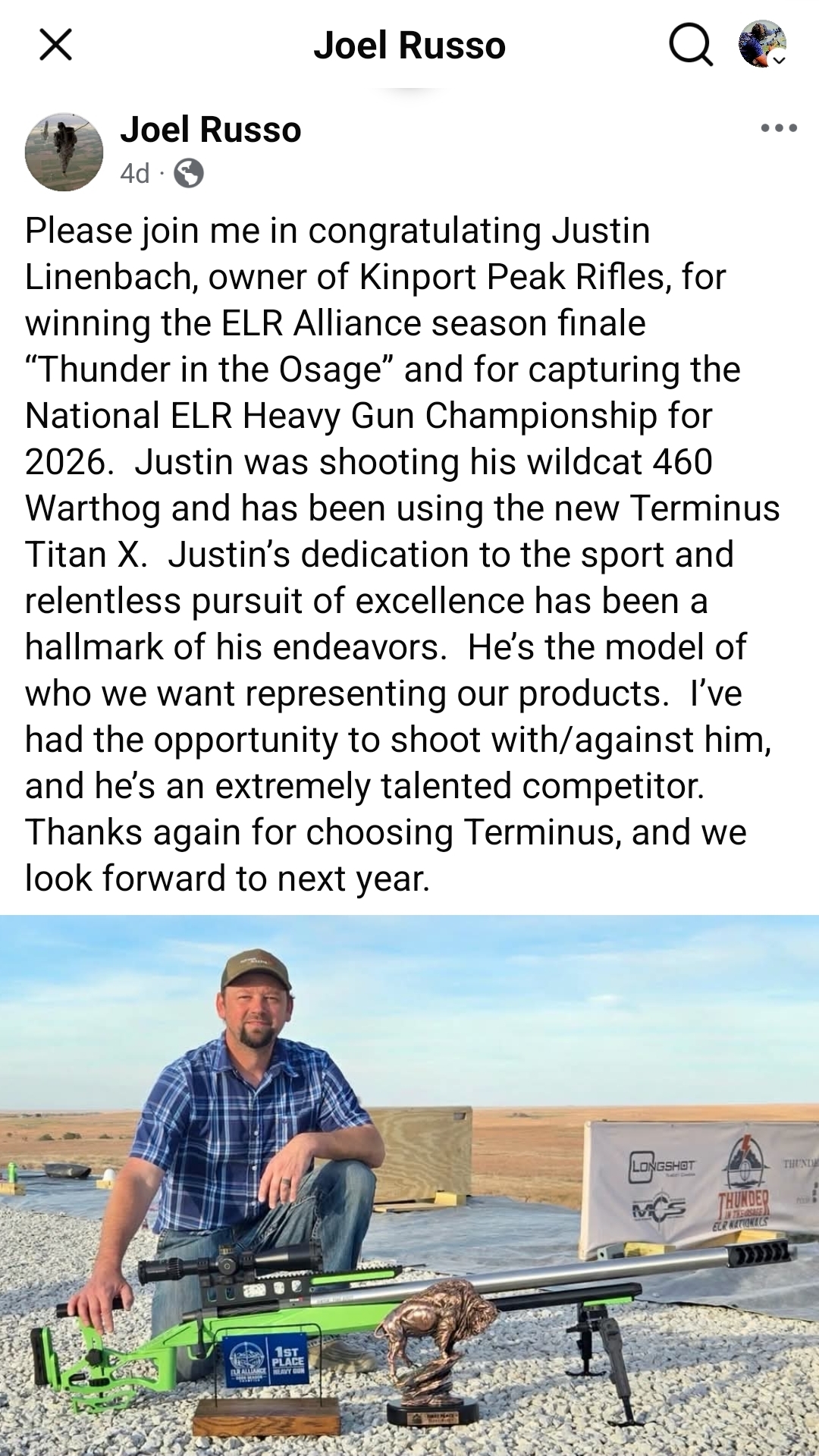
In this edition of My ELR Story, RifleTalks speaks with Justin Linenbach of Kinport Peak Rifles about the engineering, maintenance and testing decisions behind extreme-long-range shooting. Explore the subjects below, from Warthog cartridges and brass behavior to barrel care and testing at 2,500 yards.
1. Kinport Peak Rifles and Justin’s ELR journey
Justin describes how Kinport Peak Rifles grew from custom rifle work into purpose-built extreme-long-range systems.
2. Why larger ELR cartridges matter
A discussion of the transonic region and why projectile choice becomes critical beyond conventional long-range distances.
3. The .416 Warthog
Justin introduces the cartridge’s design philosophy, case selection and intended two-mile performance.
4. Chambers, reamers and component compatibility
How brass dimensions, chamber geometry and component sourcing interact in custom ELR builds.
5. Brass stretching and case-head separation
Justin explains the relationship between chamber fit, sizing and the internal damage that can develop in fired cases.
6. Fire-forming wildcat brass
A discussion of the considerations involved in preparing new cases for custom chambers.
7. Barrel break-in
How Justin approaches the early life of a barrel before evaluating its long-range performance.
8. Barrel cleaning and copper fouling
Justin’s approach to fouling, cleaning intervals and maintenance in ELR competition.
9. Extreme spread and primer consistency
Why consistent ignition and measured velocity variation matter for distant targets.
10. Brass sorting and internal volume
How sorting cases into batches supports more consistent testing.
11. Neck tension and bullet seating
The role of cartridge assembly consistency in a heavy ELR rifle.
12. The .460 Warthog and barrel life
The larger Warthog design and what Justin has observed about barrel longevity.
13. Scopes, rails and heavy-rifle choices
Optics elevation, mounting arrangements and considerations when selecting an ELR platform.
14. Load development
How Justin evaluates velocity consistency and repeatability before moving to longer distances.
15. Testing at 2,500 yards
Why Justin verifies rifle and ammunition performance at extreme distance rather than relying on short-range groups alone.
Ask your question?
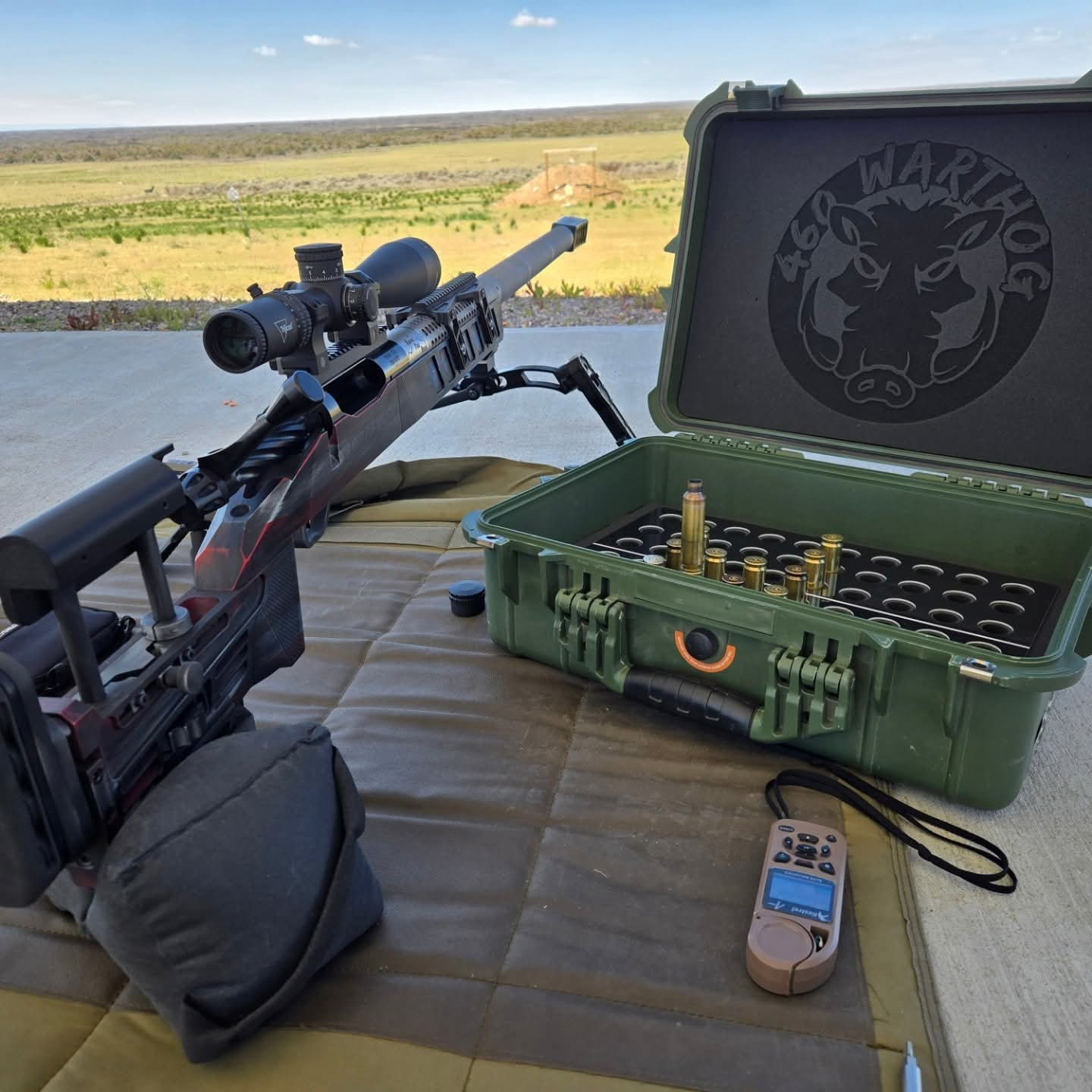
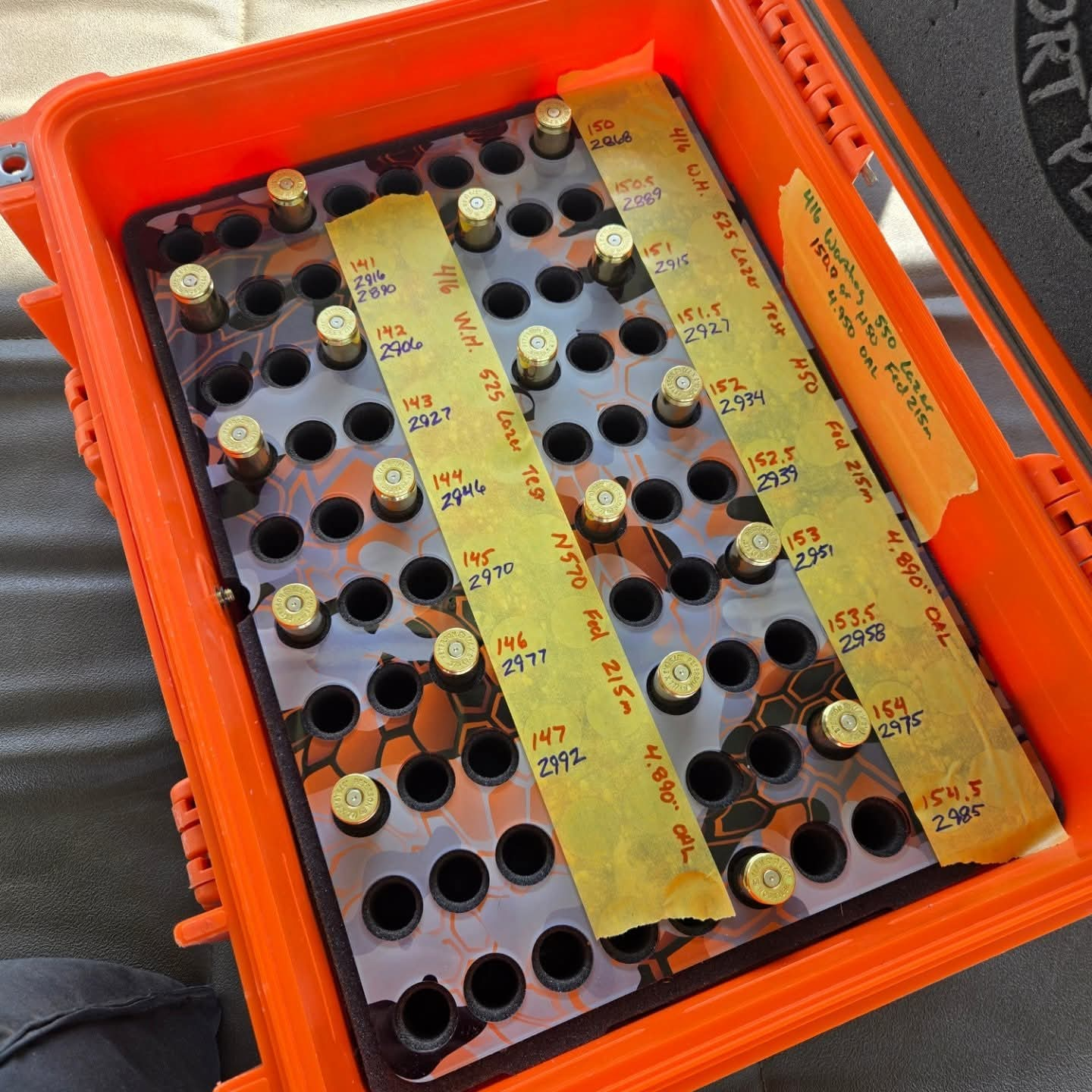
Have a question for Justin about the Warthog cartridges or the topics discussed in this interview? Submit your question below. Selected questions may be answered in a future RifleTalks feature; a response is not guaranteed.
Open the question form in a new tab