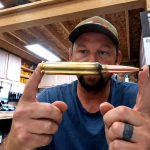
- .416 Barrett Rifle: Building & Shooting a 2-Mile ELR Rifle
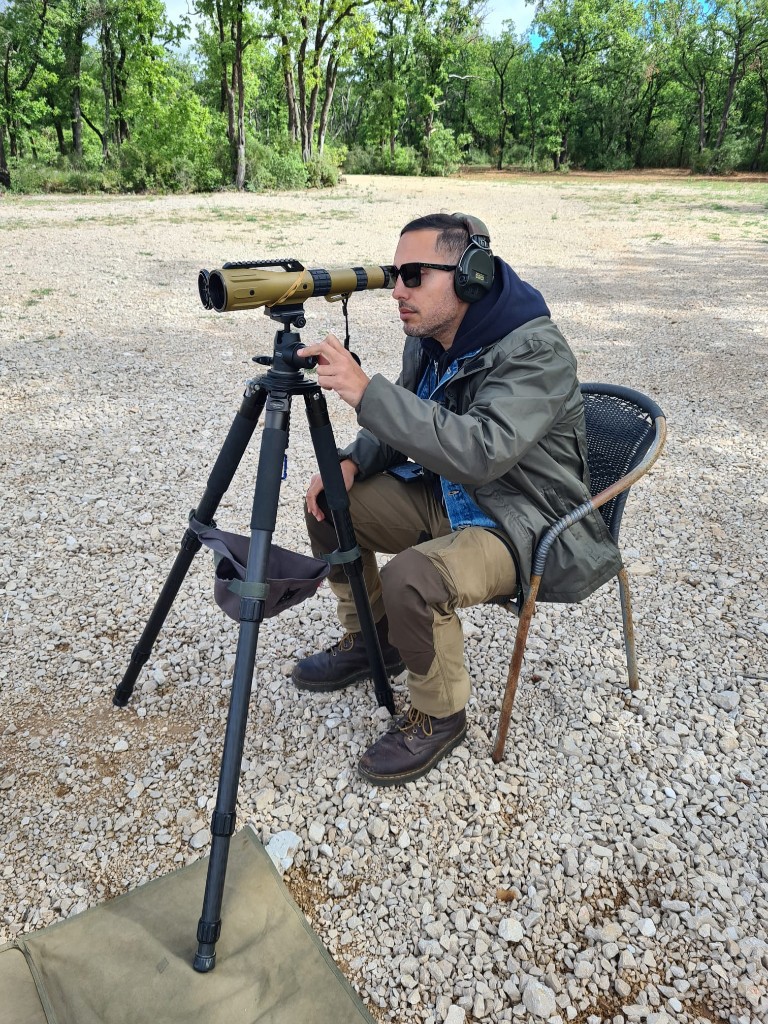
The video footage is filmed through the Kowa spotting scope.
BUILDING A 2-MILE COMPETITION RIFLE
The RifleTalks .416 Barrett ELR system is a complete system that uses some of the best components in the world, with tier-one optics and electronics from Steiner to put rounds on target past your current postcode. Check it out below.
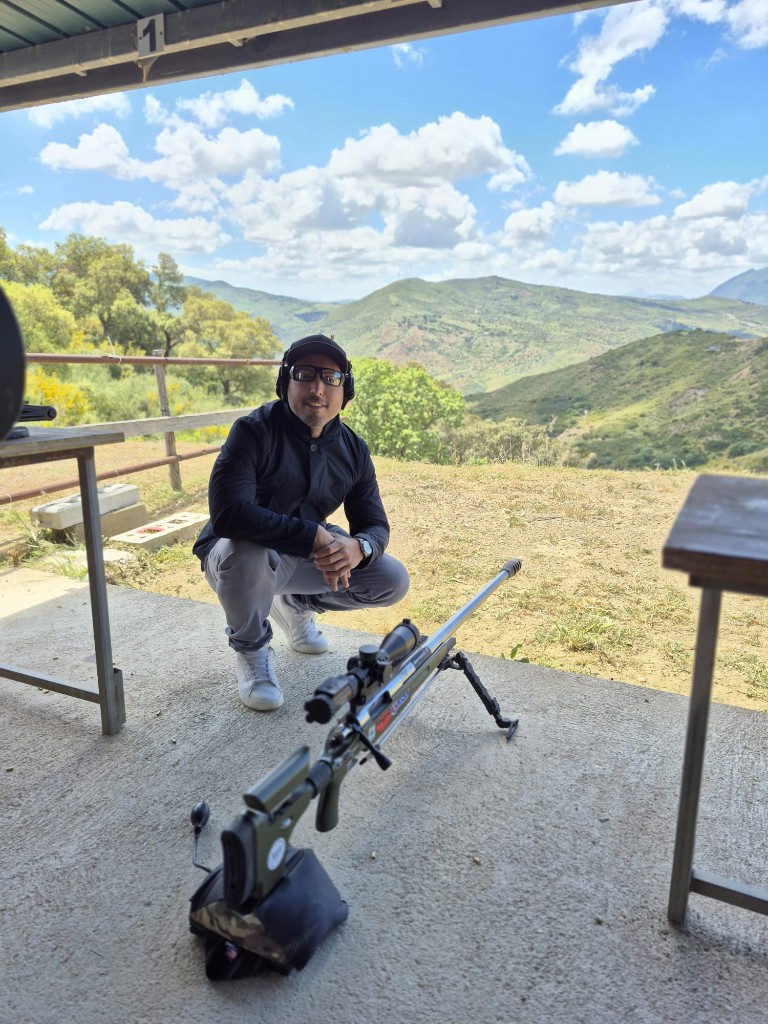
This is my own first-hand journey building a .416 Barrett rifle for extreme long-range competition in Europe. Here I seek to provide the info from lessons I learned so you don’t make the same mistakes.
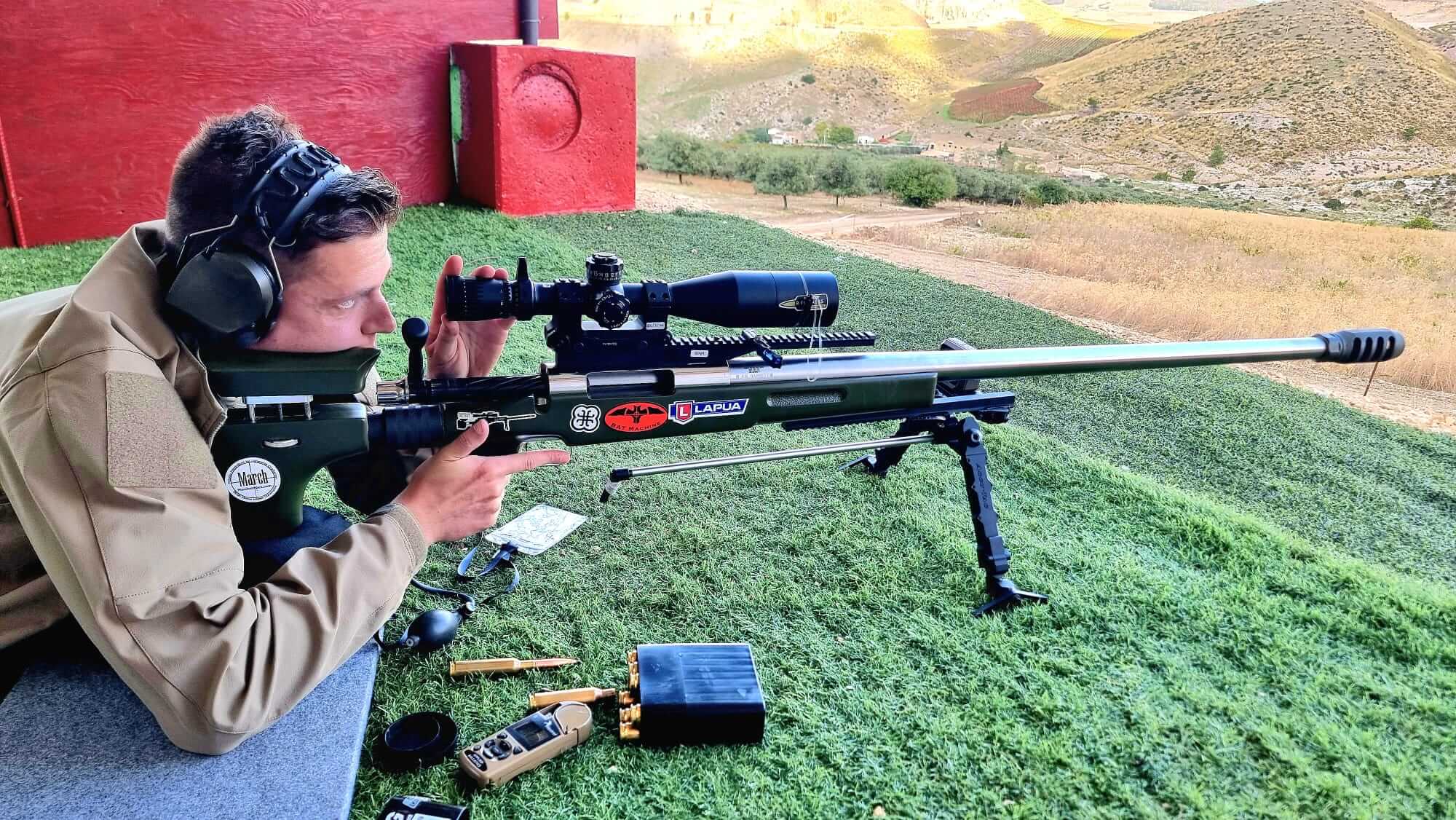
The project uses a BAT EXS action, McMillan Tac 50A1 stock and 38-inch Bartlein barrel, with the rifle built around 550gr ELR bullets for shooting beyond 2,000 metres out to 3300meters.
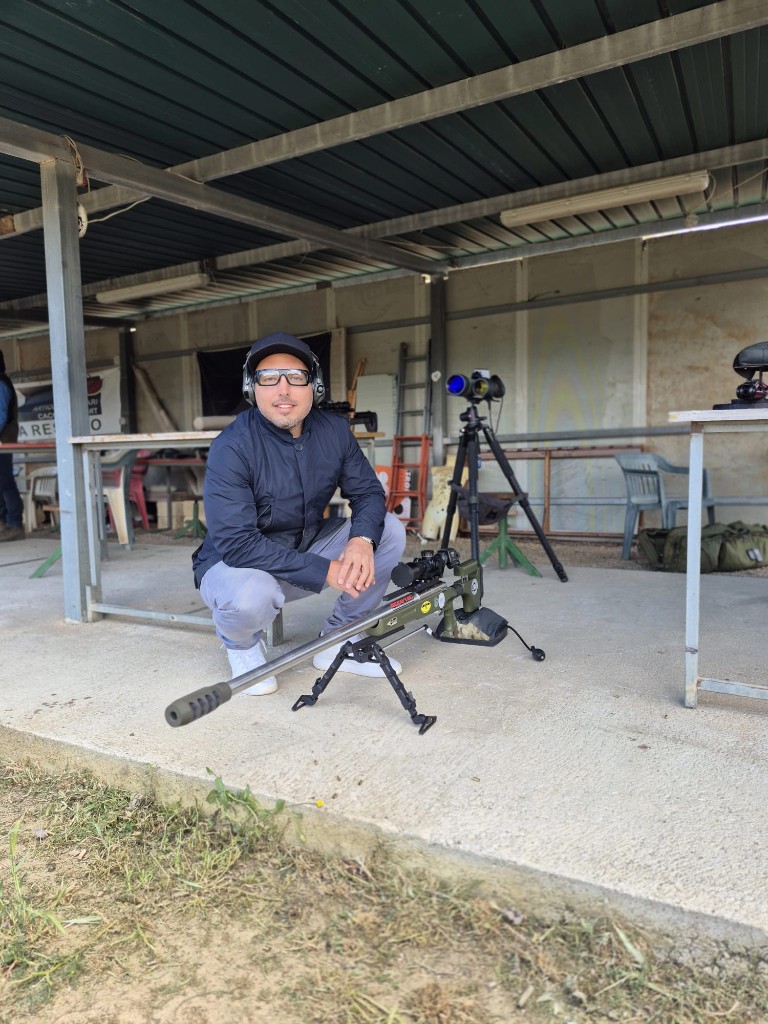
Rather than looking at the .416 Barrett purely on paper, this article covers the actual rifle build, components, ammunition considerations and what I’ve learned from shooting and competing with the cartridge.

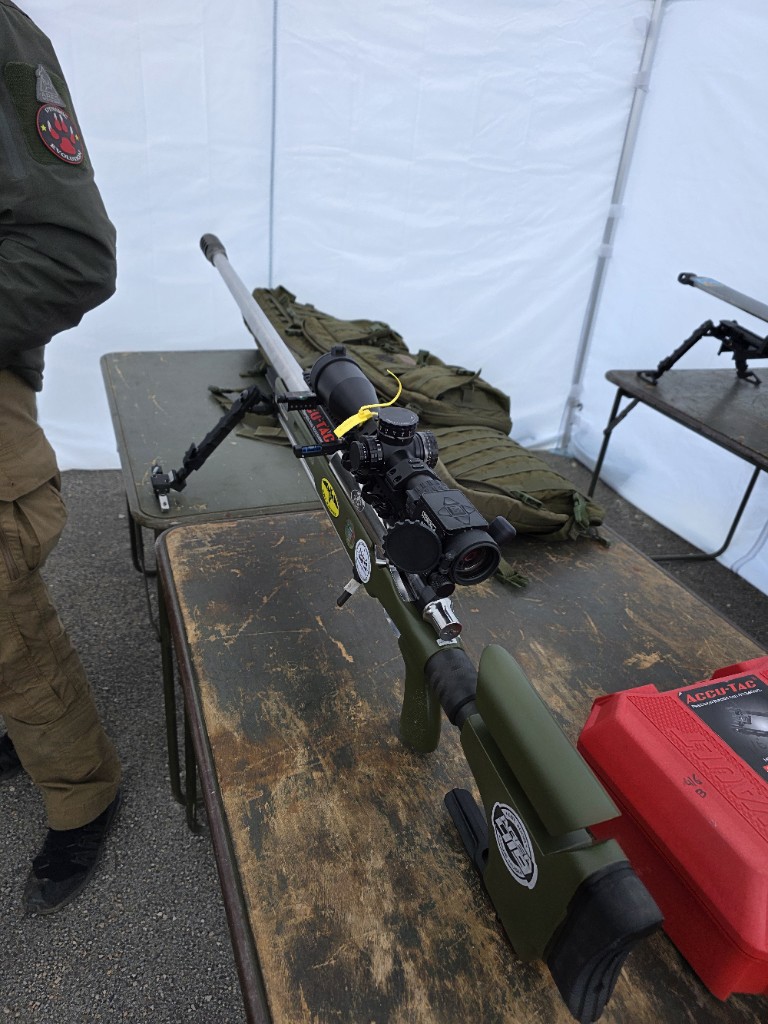
BAT EXS action was chosen for this 416Barrett build bedded in a McMillan Tac 50A1 stock from Dan Warner, Bartlein 38″ barrel 1.8, Dolphin muzzle brake, Rear monopod from Rene Braun in Germany, LRA bipod, extended 15″ picatinny rail 35MOA.
.416 Barrett Rifle Build Specifications
| Action | BAT EXS |
|---|---|
| Stock | McMillan TAC 50 A1 |
| Barrel | Bartlein, 38 inches |
| Muzzle brake | Dolphin |
| Bipod | Accu-Tac with Railfeet |
| Rear support | Rene Braun rear monopod |
| Optics rail | 15-inch Picatinny rail, 35 MOA |
| ELR bullets discussed | 550-grain class |
IF YOU MANUFACTURE ANY PARTS FOR THE 416 BARRETT RIFLE, GET IN TOUCH WITH US.
Introduction to the .416 Barrett ELR Project
This .416 Barrett rifle project goes back to the day I started getting into long range in 2008 while at the 50BMG club in Yverdon les Bains, Switzerland. One of the Italian members there got me to try the Mc Millan Tac 50 A1. I probably put 200 rounds through that rifle. It was a little light but I loved shooting it, it shot remarkably well, I remember we had a popper target and with little training i was putting most shots into that head sized target at 500m. Pete, an English man, at the time president of FCSA Swiss told me get one chambered in 416Barrett. You will love it. I said one day I’ll build one. This was Marco’s stock rifle with the older shorter forend stock for a 29″ barrel.

That is your’s truly some 18 years ago in Switzerland firing Marco’s TAC 50 BMG rifle. We came a long way since then!
2023 King of 2 Miles France: Discovering the .416 Barrett

Cartridge Alternatives Before My .416 Barrett Build




First-Hand .416 Barrett ELR Experience


What You Need for an ELR .416 Barrett Rifle Build


- 416 Barrett Barrel: 36-40 inch barrel. I ordered two Bartlein barrels so I won’t have to export the action again when once one wears out.
- 1.8 or 1.9 twist for 500- 550 gr solid bullets. Thanks to Paul Philips and Chris Schmidt for the recommendation
- Bespoke brass made for the 416Barrett from 50BMG cases.
- Ruag 416Brass seems to give extraction issues fast especially if you push it.
- As much VV 20N29 as you can possible buy. You will do 79 rounds from 2 lbs tubb. I think you need 13 kgs of propellant for a barrel life.
- Remember by the time you finish doing a 4 round zeroing, you would have gone through the same powder volume as 18 rounds of 308Win. I see you smiling or cringing.
- 416 Barrett Stock – I suggest you pick the ORCA Chassis from Accuracy solutions for a similar project – it’s purposely built for ELR or else a Fusion Chassis by Terry Dines.
- A stock wide enough, long enough and stiff enough to be able to take an 8kg barrel and 2-4kg action which is 2″ in diameter.
- Manners and McMillan come to mind as well as Cadex and a few other stock options which we will discuss like the Fusion Chassis.
.416 Barrett Custom Action: BAT EXS

My journey started with a McBros 50BMG single shot purchase which I wanted to change to a 416. I got this off a 50cal club member seen above.
Someone told me to go for another action for a competition 416 Barrett build as it would have better primary extraction for stiff loads. Ok that was too late as I had already bought it. I love this rifle so I would keep it.
Meanwhile my riflesmith in the UK called me saying he had a BAT EXS in stock so I rolled the dice and pounced on it.
- BAT EXS pictured below.

The McMillan Tac 50A1 stock procured through Warner Tool Company was machined to fit a large aluminum bedding block. This would ensure that I would have no bedding issues and if I remove the barreled action from the stock for travel, there is no bedding chipping issues which can happen when you have nicely bedded actions. They don’t like being taken out of the stock in my experience and I’m not happy taking them in and out either. You risk chipping the bedding if you’re not careful. This cannot happen with an aluminium block.
. 

I got Solid Solution Designs to procure 2 .416 Match barrels for me through his channels and my smith to order one himself for this build, one would be a normal barrel in stainless and another in 400MODBB steel, rumored to last longer! We will see this in a few seasons. I will provide you some more information about the BAT EXS shortly.
Extended Picatinny Rail for ELR
Meanwhile I also had Dolphin Gun Company machine a 1 inch rail with 35MOA incline and 15″ long. The idea of this is to be able to mount any optic I want with the possibility to also mount a prism design like the Nightforce Wedge or the Charlie Tarac. The latter enables you to optically add about 100MOA to the scope by shifting the image. This makes you raise the rifle barrel by the same amount above the target so that you have a base of 100MOA image shift with the prism plus whatever you dial on the scope. The slightly beefier rail also raises the scope slightly higher which for me makes a more comfortable shooting position. 
If you’re contemplating and ELR scope, the March 5-42×56 Gen II High Master has over 140 MOA of vertical travel and makes an amazing contender for ELR.

Below: a 416 Barrett case with a Windcut 416 Bullet 550gr 550Grain Bullet and the two bolts, one from the McBros action and the other from the BAT EXS action. The Mcbros bolt is a larger one that the BAT EXS. 


Above: These are the 550grain Windcut bullets. The Italian manufacturer has been collecting user feedback to improve this bullet performance from French, Italian and American shooters doing ELR shooting.
Kudos to Windcut bullets for listening and being able to provide a European accessible bullet design for ELR matches.
WINDCUT CALIBER .416 WEIGHT: 550gr REQUIRED MINIMUM TWIST 1/10 G1 BALLISTIC COEFFICIENT 1.131 G7 BALLISTIC COEFFICIENT 0.559 OAL LENGTH: 2.519″ or 64mm _______________________________________________________________________________________________________________________
CUTTING EDGE .416 BULLET Below is another tried and tested MATCH bullet design by Cutting Edge Bullets in their Lazer line up weighing in at 550grain. 
CALIBER: .416 WEIGHT: 550GR REQUIRED TWIST RATE: 1:10″ OR FASTER G1 BALLISTIC COEFFICIENT: 1.024 G7 BALLISTIC COEFFICIENT: .525 OAL: 2.556″ / 64.92MM Projection LENGTH: 1.924″ MIN IMPACT VELOCITY REQUIRED FOR EXPANSION: 1400FPS
If you’re not ready to wait, find another punching bag as getting hold of these parts can take a few weeks at best to a few months or a year plus!
Thanks to Jay Dvorsky for also contributing his knowledge to help me load for these big bores as well as Randy Powell who helped me out with the 50BMG competition ammo article. Here’s a list of what you will need:
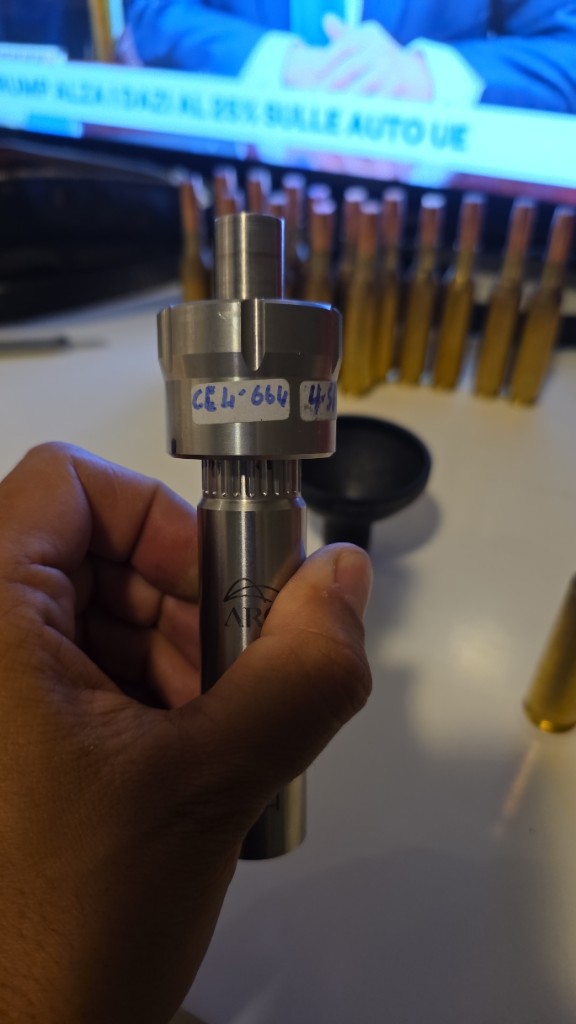
- .416 Mandrel from ARC ballistics UK,
- 416 Trimmer from ARC ballistics</ span>
- .416 decapping tool from ARC which I use prior to size the case and especially ahead of any case measurement to ensure the primer is not skewing those measurements
.416 Barrett ELR Bullets

There are a few contenders out there but the main ones are:
- .416 Cutting edge, 500,525 and 550 grain
- 416 Thunder Ammo 415gr Bullets
- .416 Warner tool company
- .416 Windcut bullets testing in Lothar walther barrels.
Reloading Equipment for the .416 Barrett
-
Präzipress Reloading Press for .416 Barrett
The heavy 140 mm Präzipress from Germany weighs about 15 kg and is designed for demanding reloading work. I will share more about this press further on. Armeria Regina in Italy supplied me with additional equipment for the .416 Barrett setup.

You Will use your press to also seat the primers with a dedicated attachment from RCBS. This makes it easy to work with.It attaches above your press and you will basically use the ram to help seat the primer in the case. Carefull not to crush them so take time to set the seating stem correctly.
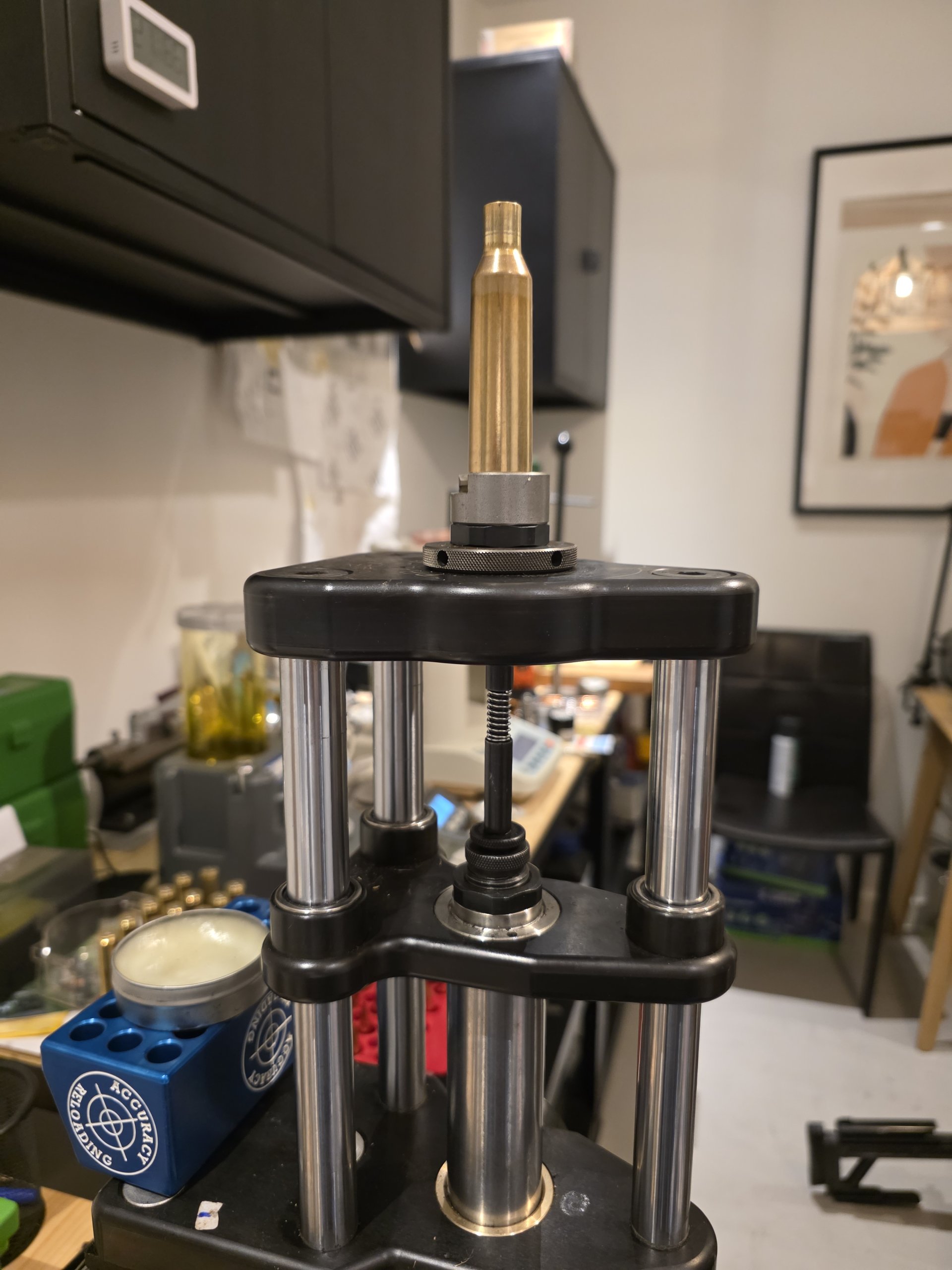
I planned on shooting the 550gr Windcut and the 550 Cutting edge bullets. Silvain Lami Monney reported great results with the Windcut bullets at 2500meters with his pgm rifle at Ko2M France 2024.
- Boretech 416 cleaning rod which I sourced from accuracyreloading.it in Italy, its long and thick almost like a fishing rod.
- ULFHEDNAR ELR Range Mat that acts as a dual purpose rifle bag
- Even with a purposely made Ulfhednar ELR bag, a 10Inch action, 38″ barrel and 5inch of brake, the rifle is quite a beast with the stock removed.

- Ulfhednar’s ELR bag is ready to transport this rifle to new shooting grounds.

Follow RifleTalks for further first-hand updates from this .416 Barrett ELR rifle project.
First .416 Barrett Load-Testing Session
Let’s lock in to the handloading process and ammo testing. Before my first match with it when I was still running the original version of Extreme Shot Italia which I conceived and ran for 5 years, 230 teams from 32 countries back by 30 sponsors) I had a short amount of time to get this rifle dialed in. I called Paul Philips who had spent alot of time behind one and tested also ammo for various manufacturers and brass makers.
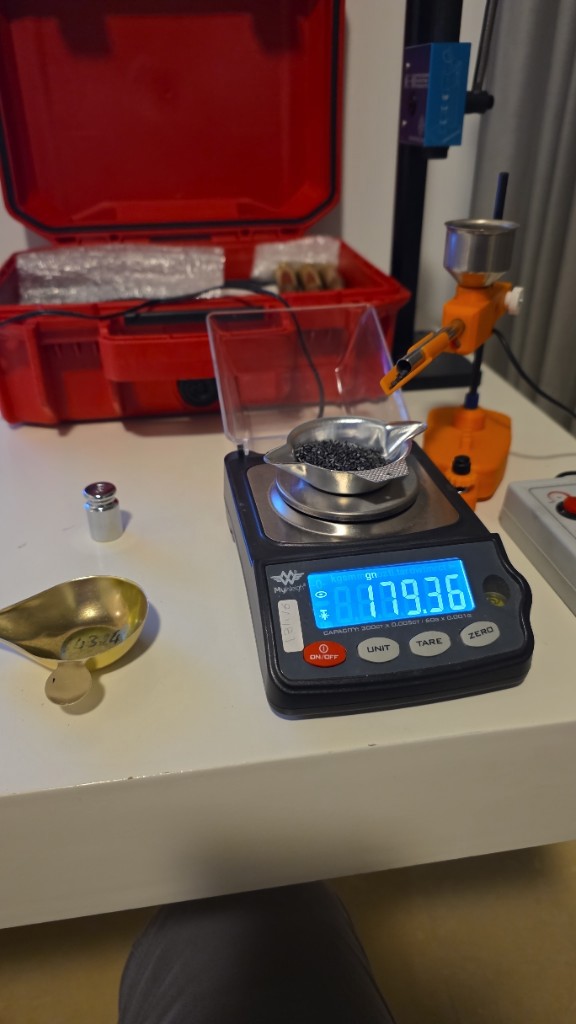
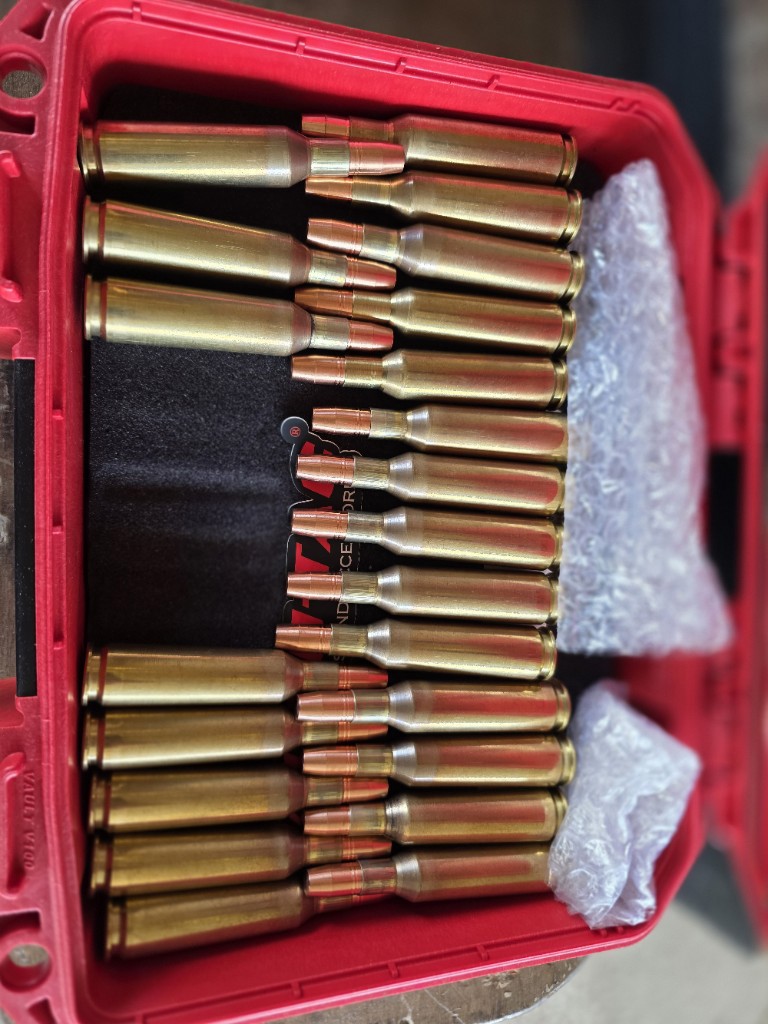
Paul said if you’re short on time, try 4 loads and see where they will get you. I didn’t have time to do proper Hi performance load development so I pick 4 loads, 178gr, 180gr, 182 and 184 gr loaded with 550 gr Cutting Edge Lazer and 553 gr Windcut bullets. I headed to a 300m range to test them and see if the gun will group out of the box. I knew the barrel was brand new and this would not even really break the barrel in but with a large contingent of shooters flying in , my hands were full organising the Largest International ELR Match in the world so I could not take more time into load development.
My first outing with this gun was the match itself. I shot the 1500m target in competition to get dialed in with the 550gr Lazer load. We put 3/4 rounds on target with that load on the 1.5MOA plate and that was it. I will upload the shooting from the match in a dedicated video I still have. I thought it’s not bad but this load requires more work to get it to work. It needed the following:
i) Consistent velocities as we increase powder charge. We needed to find the load that would stay flat speed wise when increasing the powder charge. That normally shows a very promising window where the pressure does shift.
ii) The load needed to shoot under 1″ at 300m. This is my standard for every load I develop for my custom rifles/barrels. Whether it’s a 6.5 creedmoor or a 33XC, I want the load to produce that 1″ or less at 300m.
After that match, I put the gun away and had to get back to work.
King of 2 Miles France: Final Load Development
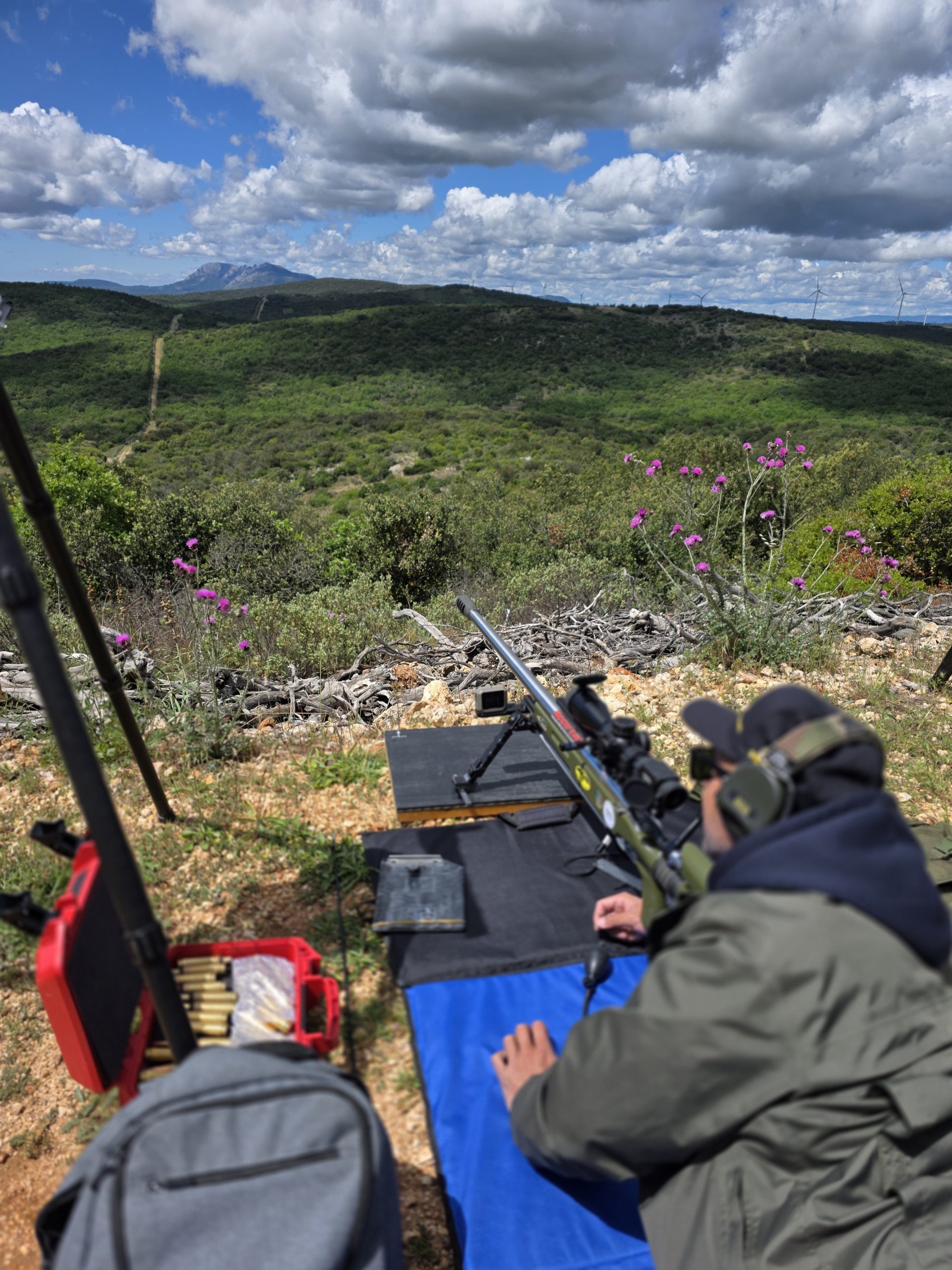
When I made up my mind to shoot Ko2M in France in 2026, I knew I still had to go back to the drawing board and work up that load as it should be.
Final .416 Barrett Testing Before King of 2 Miles
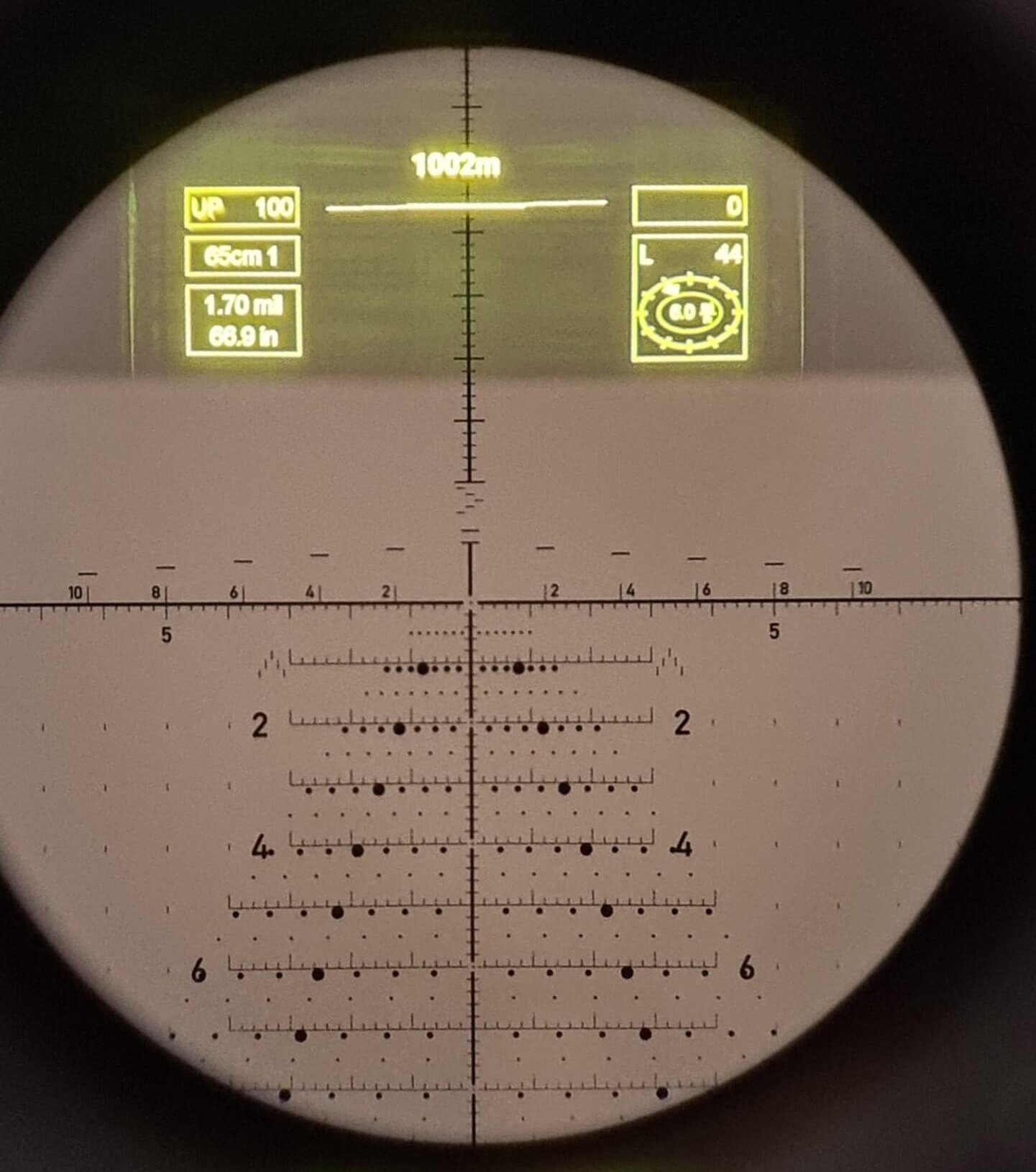
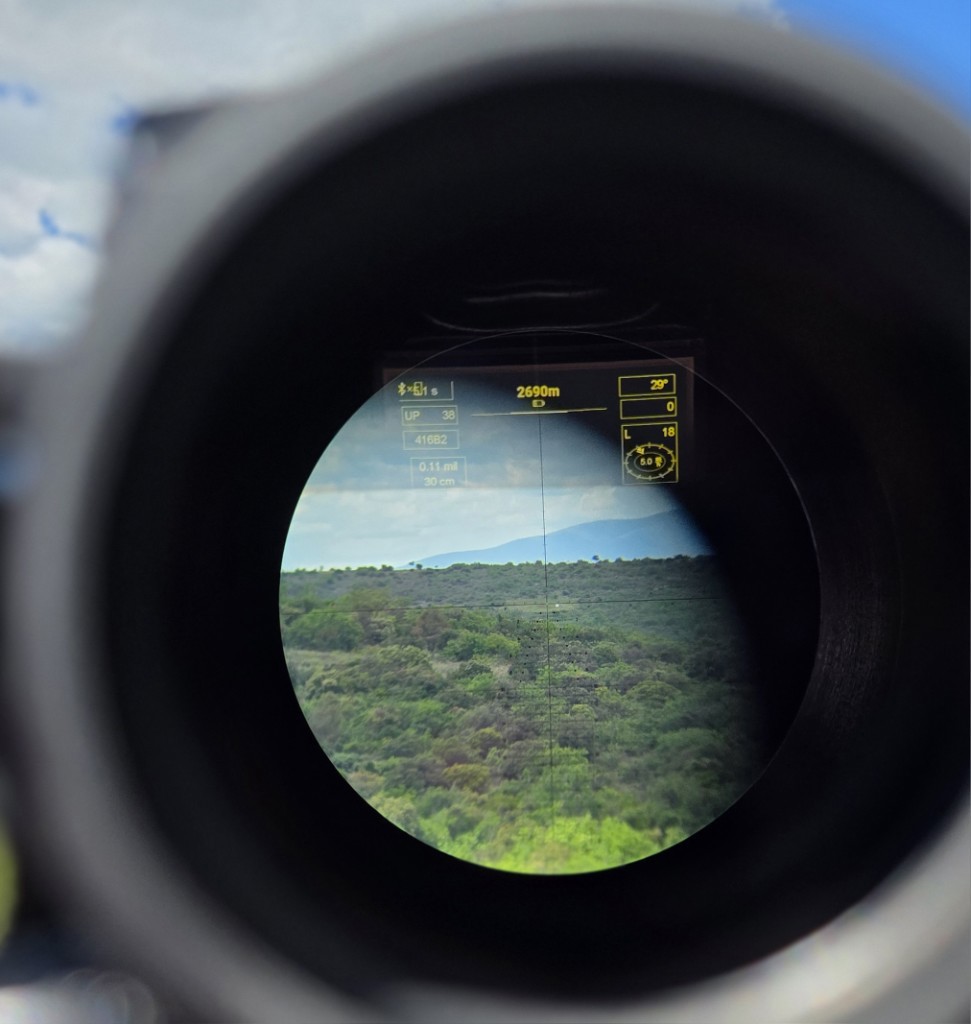
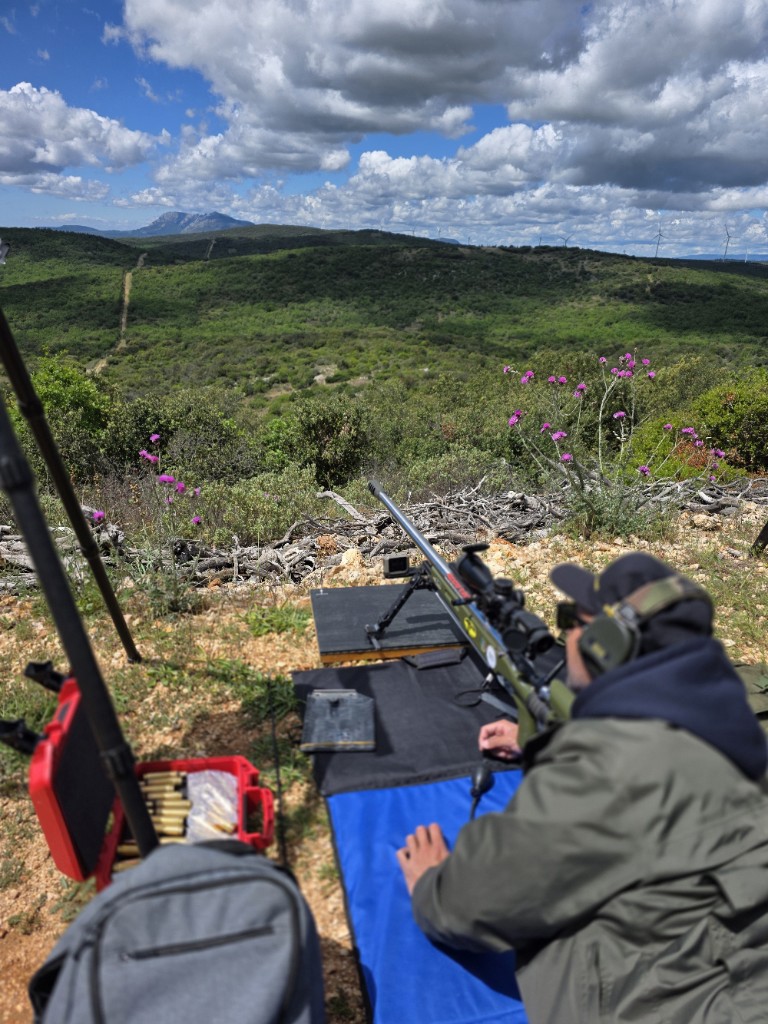
The second phase of load development for our .416 Barrett took place just a few days before King of 2 Miles France. We carried out the load development and tuning at 300 metres while driving up to the competition, followed by a few shots at 1,200 metres to validate the trajectory. We then stretched the rifle out to 2,600 metres at Wolf Consulting in France, checking our trajectory predictions and the ballistic solutions from our Steiner IFS system.
Photo Gallery: .416 Barrett Testing at 300 Metres
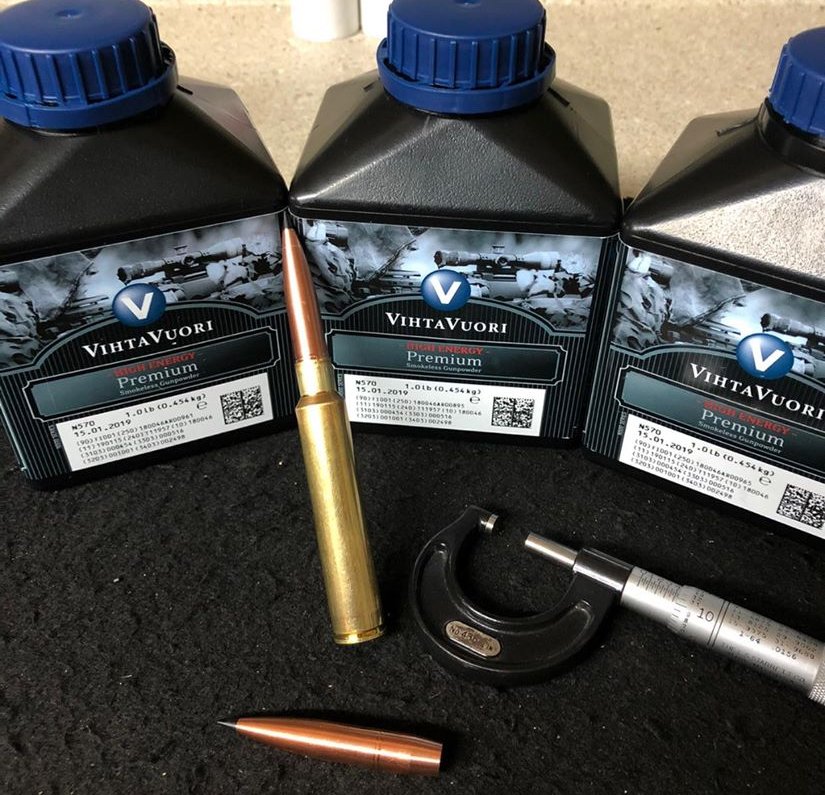
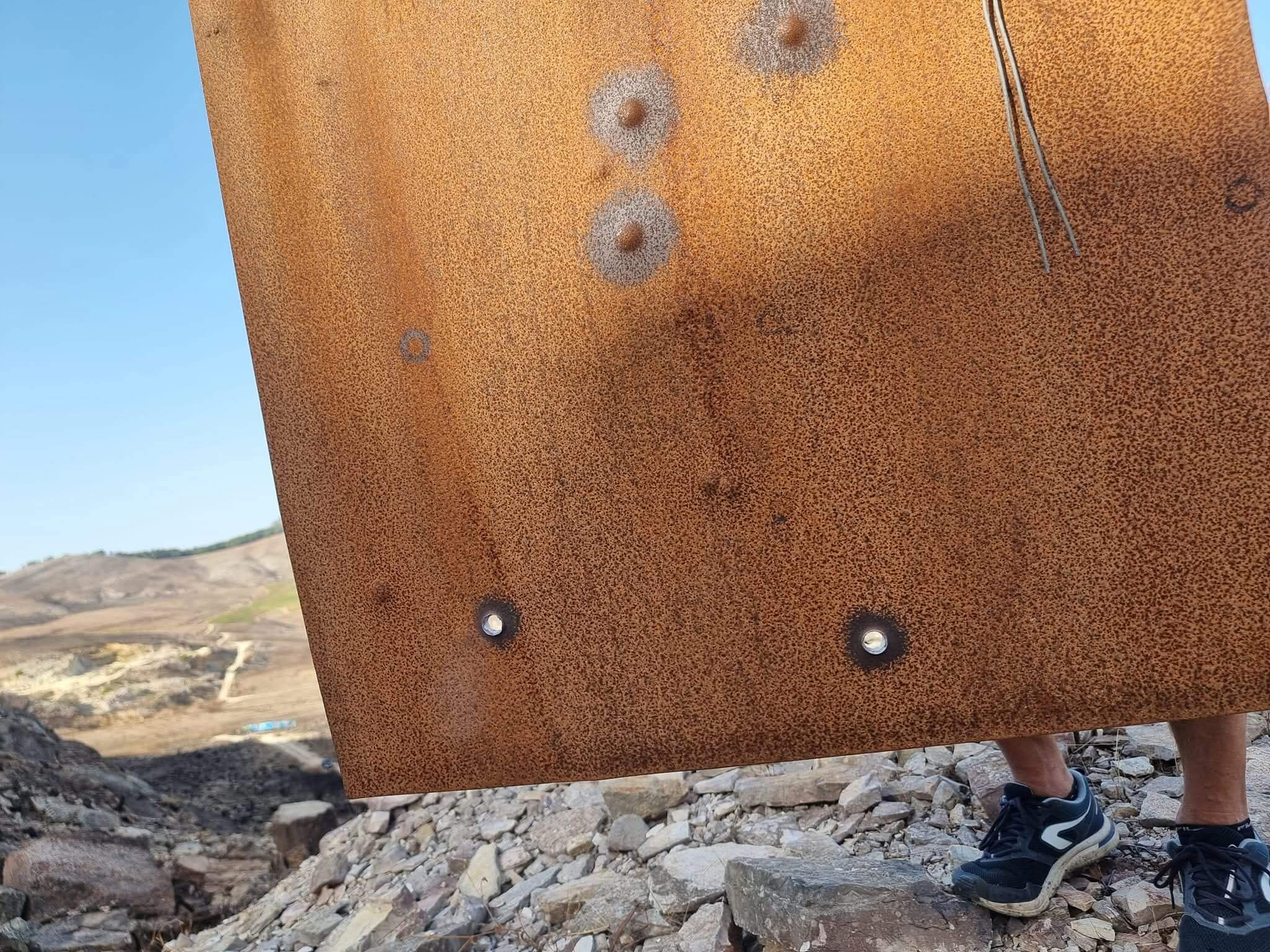
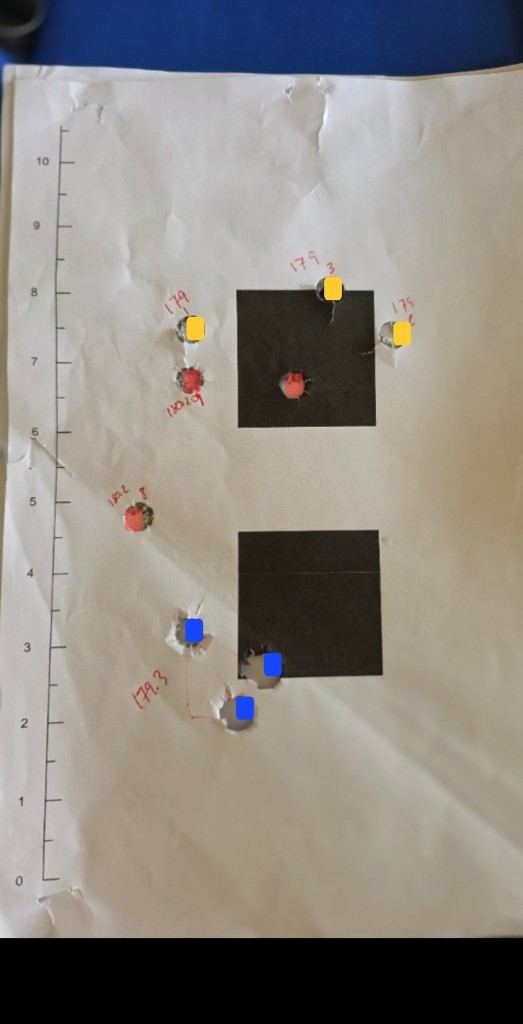
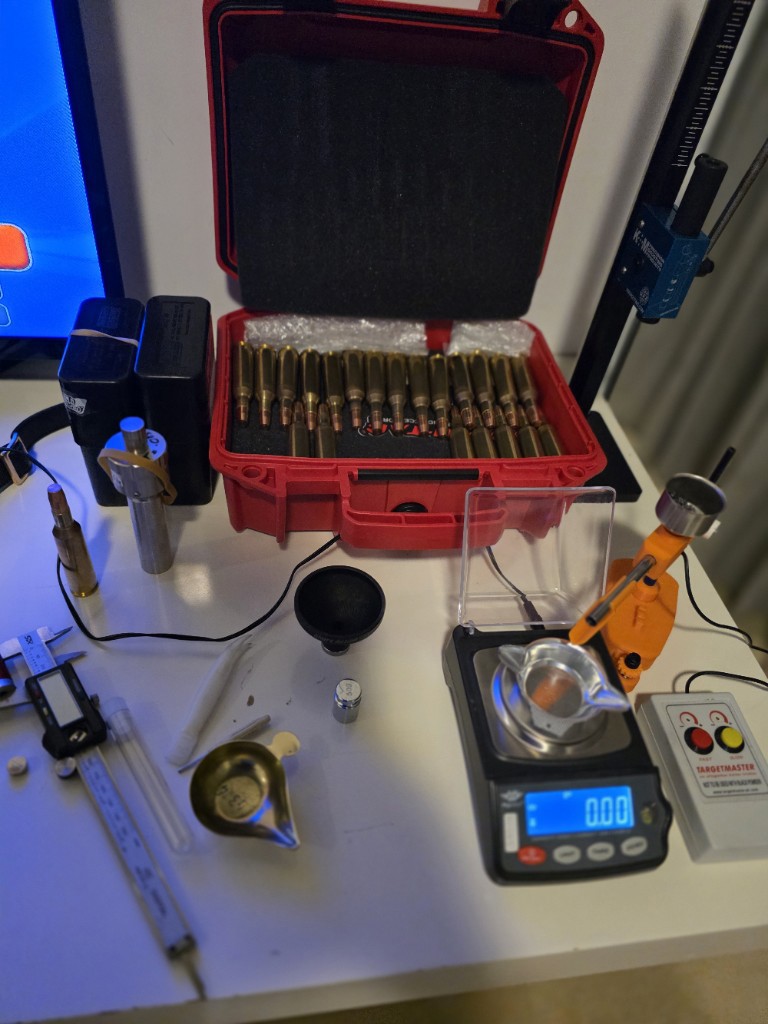
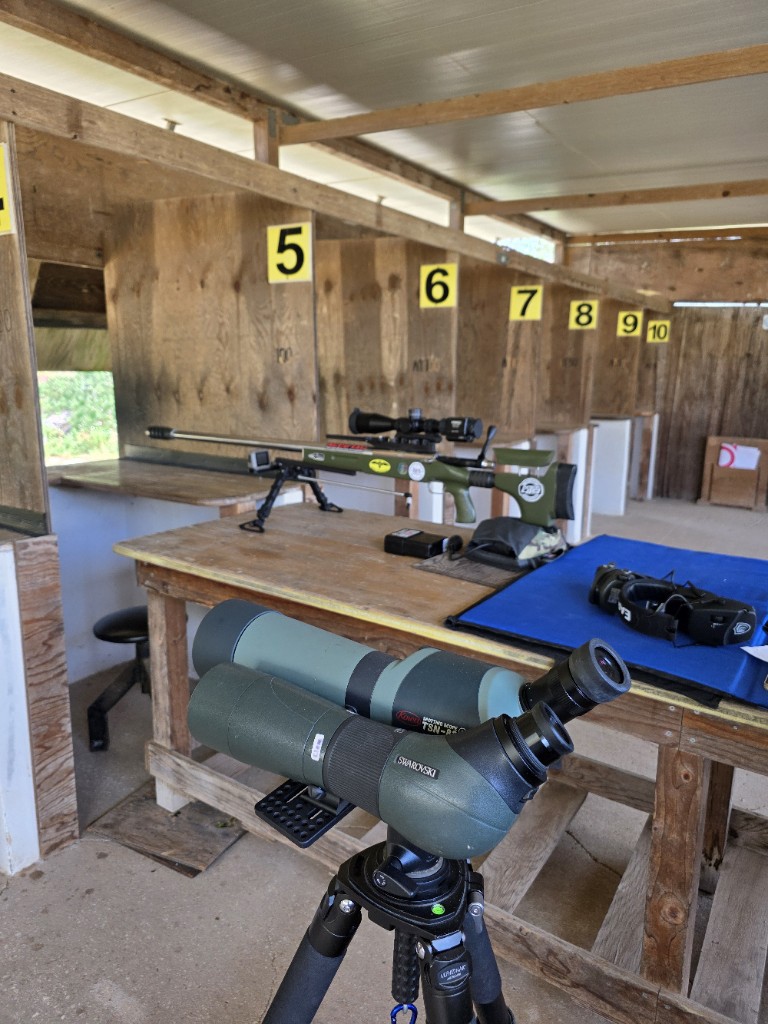
Before the 300-metre range session, we prepared batches of .416 Barrett ammunition for three-shot group testing. The photographs below document the prepared cartridges, reloading and weighing equipment, the rifle and spotting setup, and the paper targets used to record the results. Our aim was to assess the consistency of the groups before moving on to longer-distance trajectory validation.
The color-marked target photograph identifies three separate three-shot groups: yellow for the three upper impacts, red for the three middle and left impacts, and blue for the three lower impacts. Each color represents shots fired with the same load; the colors are for visual comparison, not a claim about charge weights or group size.
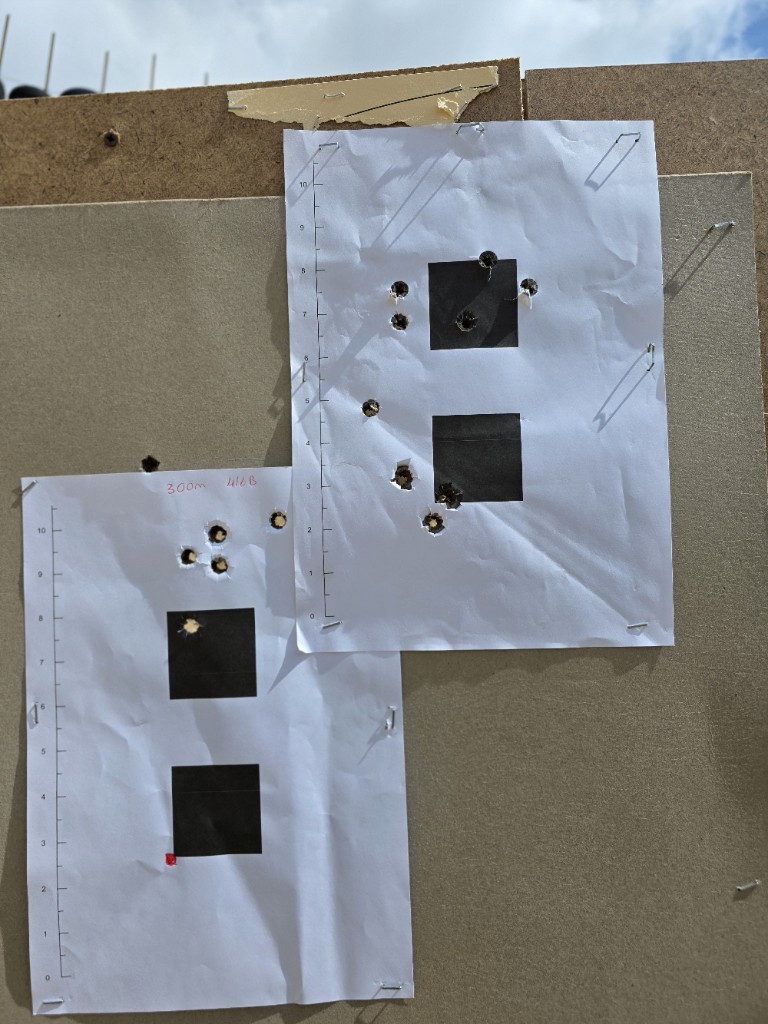
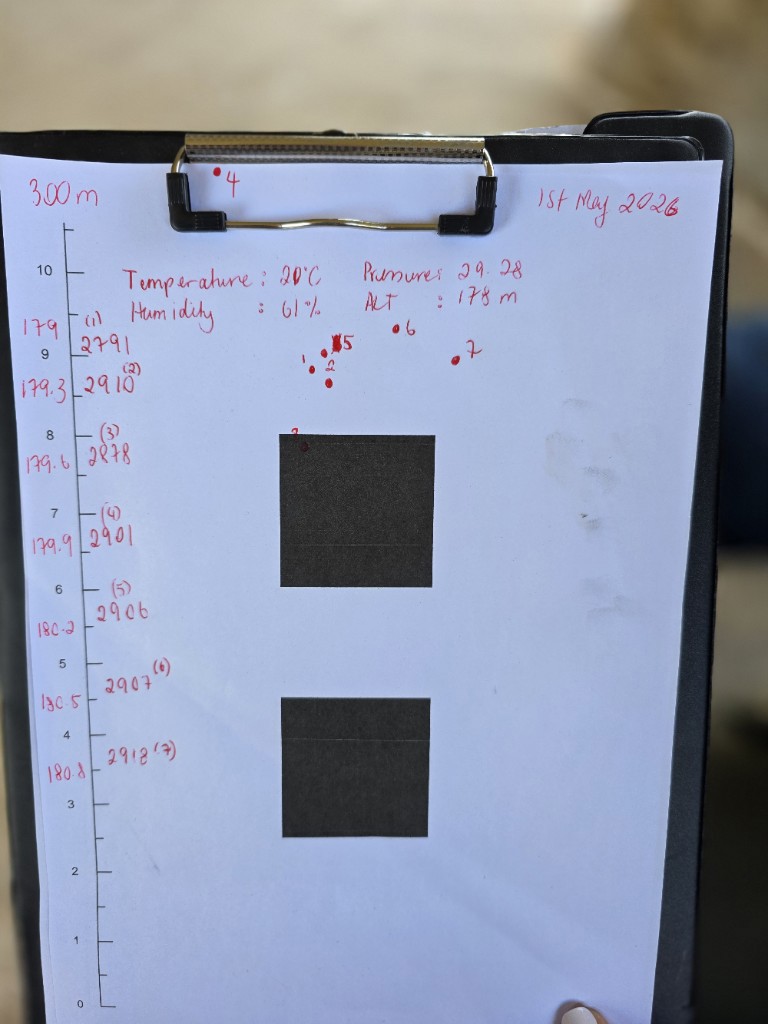
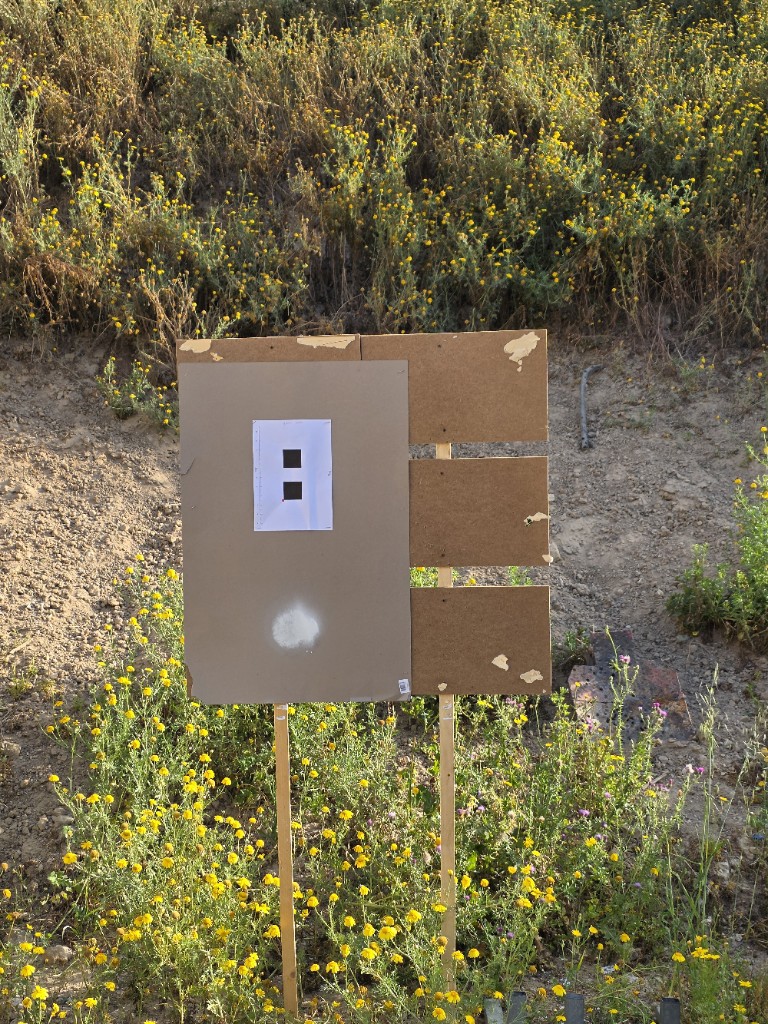
King of 2 Miles France and Wolf Consulting — Photo Gallery
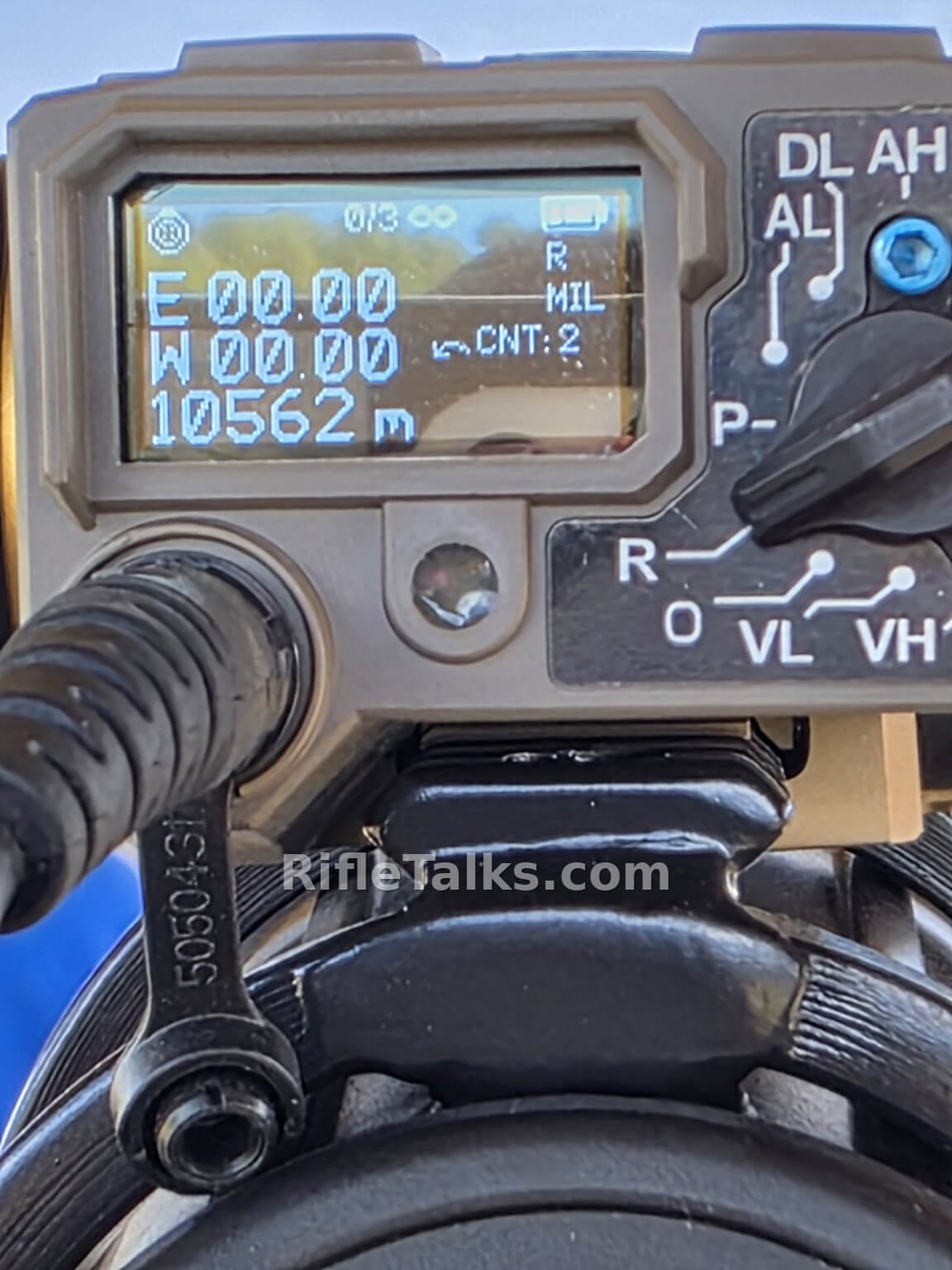
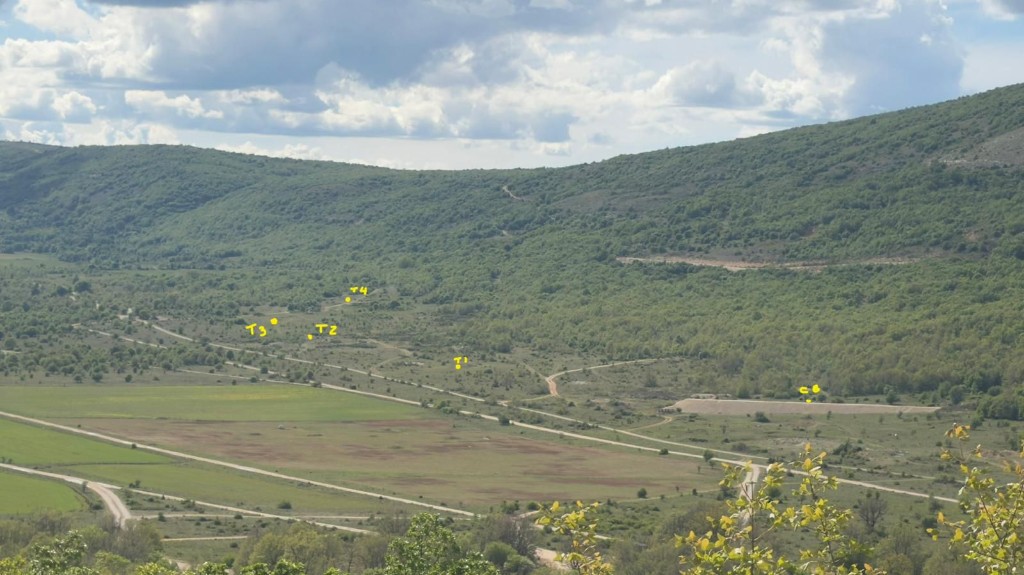
After the initial 300-metre three-shot group tests, our next sessions focused on confirming the rifle’s trajectory at longer distances. These photographs capture the .416 Barrett at King of 2 Miles France, the match target layout marked in yellow, and our subsequent work at Wolf Consulting. The Steiner IFS display records a 2,690-metre range reading during this stage of testing.
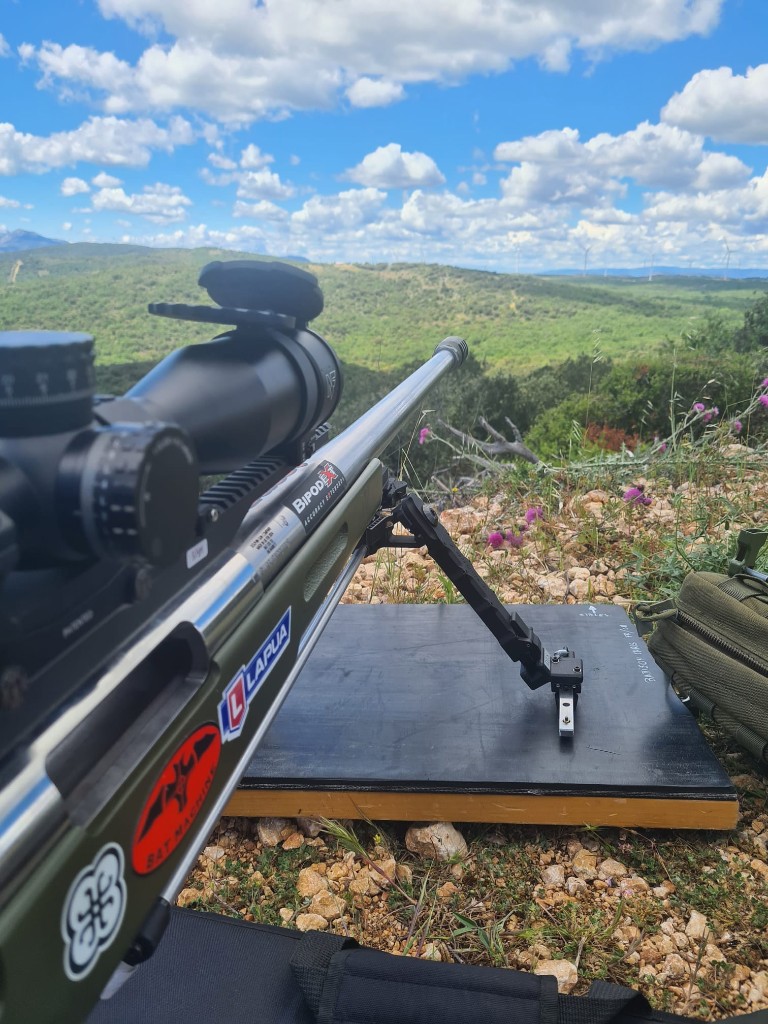
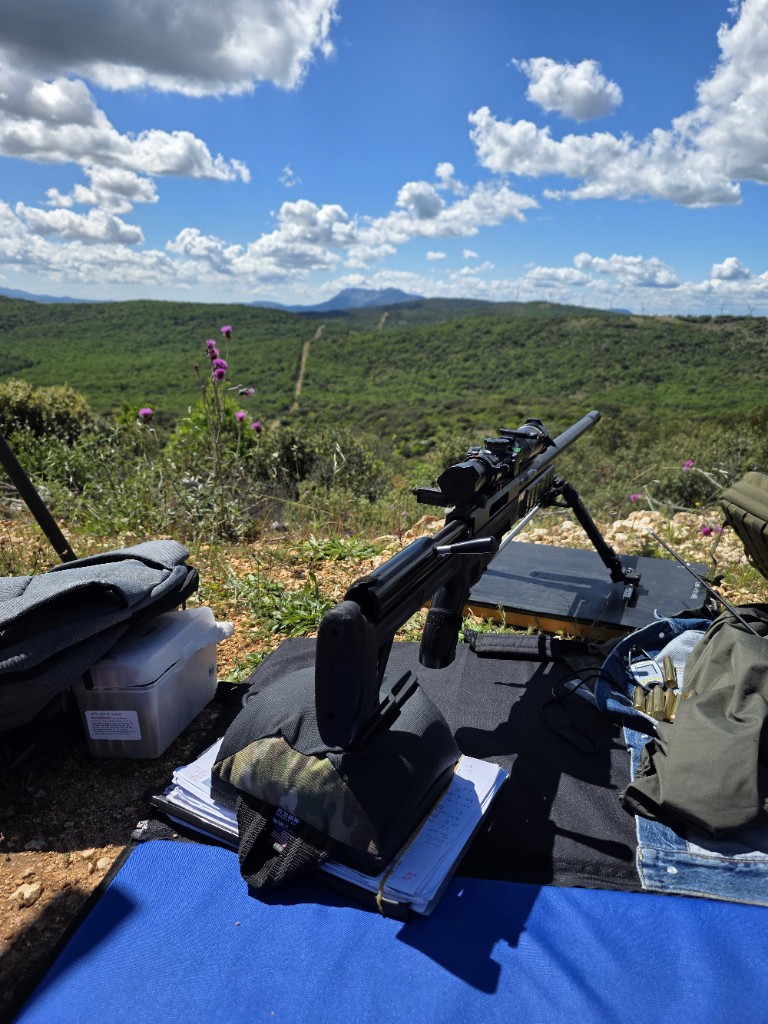
Trajectory Validation at 600m — First Shots Beyond the Original 300m Testing
Following the initial 300-metre three-shot group testing, we moved beyond the original test distance to check the rifle’s trajectory at 600 metres. Watch the next stage of our .416 Barrett testing in the video below.